
Renovating in North Vancouver: Permits, Zoning, and What Actually Adds Value
Renovating in North Vancouver is one of the most common ways homeowners adapt their properties to changing needs, whether that means updating a dated kitchen, adding a secondary suite, converting a crawlspace, or rebuilding a mid-century home from the foundation up. It is also one of the areas where the gap between expectation and reality can be largest. Permit timelines, municipal zoning requirements, North Shore terrain considerations, and the cost of skilled trades in the current Metro Vancouver market all affect what is possible, how long it takes, and what it costs.
This guide covers the practical realities of renovating on the North Shore: when you need a permit, what the process looks like in the District of North Vancouver (DNV) and the City of North Vancouver (CNV), which renovations provide the strongest return on investment, and the North Shore-specific factors that influence both scope and cost. Whether you are renovating a home you have just purchased, improving a property you plan to sell, or simply updating the home you intend to stay in for years, the goal is the same: clear information that helps you make decisions without avoidable surprises.
Key Takeaways
- Permits are required for most structural, electrical, plumbing, and mechanical work in both the District and City of North Vancouver. Cosmetic changes (painting, flooring replacement with the same type, fixture upgrades) generally do not require permits. Anything that affects the structure, the building envelope, or the home's systems does.
- North Vancouver is governed by two separate municipalities with their own permitting processes: the District of North Vancouver (DNV) covers the larger, more residential areas (Lynn Valley, Edgemont, Deep Cove, Canyon Heights NV), while the City of North Vancouver (CNV) covers the Lonsdale corridor and Lower Lonsdale. Permit requirements, fees, and timelines differ between the two.
- Not all renovations return their cost. In Metro Vancouver, kitchen refreshes (75% to 100% ROI), bathroom updates (70% to 85%), and secondary suite conversions (100%+ in many cases) provide the strongest returns. Full luxury renovations show diminishing returns as the investment increases.
- The North Shore's terrain, rainfall, and housing age create specific renovation considerations: drainage, moisture management, retaining walls, older plumbing and electrical systems, and potential asbestos in pre-1985 construction.
- Strata properties have additional renovation restrictions. Changes affecting common property, the building envelope, or other units require strata council approval. Read the bylaws before planning any work in a condo or townhome.
When You Need a Permit
In both the District and City of North Vancouver, building permits are required for any work that involves new construction, structural changes, additions, alterations to the building envelope, changes to electrical, plumbing, or mechanical systems, or the creation of a secondary suite. The purpose of the permit process is to ensure that the work meets the BC Building Code, protects the safety of the occupants, and complies with local zoning bylaws.
| Work Type | Permit Required? | Notes |
|---|---|---|
| Kitchen renovation (cosmetic) | No, if limited to painting, new countertops, cabinet refacing, and appliance replacement in existing locations. | If you are moving plumbing, adding electrical circuits, removing walls, or altering gas lines, a permit is required. |
| Kitchen renovation (structural) | Yes | Removing or altering load-bearing walls, relocating plumbing or gas, adding electrical circuits, or changing the footprint. |
| Bathroom renovation | Depends | Cosmetic updates (tile, vanity, paint) do not require a permit. Moving plumbing fixtures, adding a new bathroom, or changing the layout requires a permit. |
| Secondary suite (new or legalisation) | Yes | A building permit is required, along with compliance with the BC Building Code (fire separation, egress, ventilation) and the municipality's zoning bylaw for secondary suites. Both DNV and CNV have specific regulations. |
| Deck or patio | Depends on height and size | Elevated decks (typically 24 inches or more above grade) require a permit. Ground-level patios generally do not. Check with your municipality for specific thresholds. |
| Roof replacement | Generally no (like-for-like replacement) | Replacing the roof covering with the same or equivalent material is typically not a permit-triggering event. Changing the roof structure, adding dormers, or altering the building envelope requires a permit. |
| Window replacement | Depends | Replacing windows with the same size and type may not require a permit. Changing window sizes, adding new openings, or altering the building envelope requires a permit. The BC Energy Step Code may apply to new windows. |
| Electrical, plumbing, or gas work | Yes | All electrical, plumbing, and gas work requires a trade-specific permit, even if the overall project does not require a building permit. Work must be performed by or inspected by licensed tradespeople. |
| Painting, flooring, landscaping | No | Cosmetic interior work and standard landscaping do not require permits. Retaining walls above a certain height (typically 4 feet) may require a permit. |
Two Municipalities, Two Processes
- District of North Vancouver (DNV): Covers Lynn Valley, Edgemont, Deep Cove, Canyon Heights NV, Indian River, Seymour NV, Upper Lonsdale (portions), and the eastern and northern areas of the municipality. Permit applications are submitted through the DNV building permits portal. If work begins without a permit, fees are doubled.
- City of North Vancouver (CNV): Covers Lower Lonsdale, Central Lonsdale, and the urban core along the Lonsdale corridor. Permit applications are submitted through the CNV building permits portal. The CNV has adopted the BC Energy Step Code for new Part 9 residential buildings (including major renovations), which may add energy efficiency requirements to your project.
- Confirm which municipality your property is in before beginning the permit process. Properties along the boundary between the two (roughly along Keith Road and portions of the Lonsdale corridor) can be in either jurisdiction, and the permitting rules differ.
- Permit processing times vary. Simple renovations may be processed in 2 to 4 weeks. Complex projects involving zoning variances, site-specific conditions, or significant structural work can take 3 to 6 months or longer. Factor this timeline into your renovation planning.
What Actually Adds Value: Renovation ROI on the North Shore
Not every renovation dollar returns its full value at resale. The most common mistake homeowners make is investing in a renovation that pleases their personal taste but overshoots the neighbourhood's price ceiling, uses finishes that are too specific to appeal to a broad buyer pool, or addresses a problem that was not material to the market. The renovations that add the most value are the ones that solve a problem buyers would otherwise discount for.
| Renovation | Typical Cost (Metro Vancouver 2026) | Typical ROI | Why It Works |
|---|---|---|---|
| Kitchen refresh (cosmetic) | $20,000 to $45,000 | 75% to 100% | Painted cabinets, new countertops, updated hardware, new backsplash, improved lighting. Keeps the existing layout (avoids plumbing and electrical relocation costs). The highest ROI renovation category in Metro Vancouver. |
| Full kitchen renovation | $60,000 to $130,000+ | 50% to 75% | Custom cabinets, stone countertops, new appliances, layout changes, flooring. Higher absolute value added but diminishing ROI percentage as the budget increases. Match the investment to the neighbourhood price ceiling. |
| Bathroom update (primary or main) | $15,000 to $40,000 | 70% to 85% | New vanity, tile, fixtures, lighting, and improved ventilation. Primary ensuites carry the most weight with buyers. The main family bathroom matters for families with children. |
| Adding a second bathroom | $25,000 to $50,000 | 75% to 90% | Many older North Shore detached homes have only one bathroom. Adding a second full bathroom removes a significant buyer objection and broadens the pool of interested purchasers. |
| Secondary suite (legal) | $55,000 to $85,000 | 100%+ (long-term) | Creates rental income ($1,800 to $2,800/month in the current market), expands the buyer pool to include investors, and can add $100,000 to $175,000 to the sale price depending on the neighbourhood. Must comply with municipal zoning and BC Building Code. |
| Cosmetic refresh (paint, hardware, lighting) | $3,000 to $10,000 | 100%+ (often highest percentage ROI) | Fresh paint (neutral tones), updated door handles, new cabinet pulls, modern light fixtures, and professional cleaning. Low cost, high visual impact. The best investment for sellers on a budget. |
| Exterior improvements (paint, landscaping, entry) | $5,000 to $20,000 | 70% to 90% | First impressions matter. A clean exterior, well-maintained landscaping, a fresh front door, and updated house numbers create curb appeal that influences buyer perception from the moment they arrive. |
| Full luxury renovation | $150,000 to $500,000+ | 40% to 60% | High-end finishes, custom millwork, smart home systems, premium appliances. Justified in neighbourhoods with price ceilings above $2.5M (parts of Edgemont, Upper Lonsdale, Deep Cove waterfront). Over-improvement in lower price tier areas. |
The North Shore ROI Principle: Match your renovation investment to the neighbourhood's price ceiling. A $100,000 kitchen in a $1,400,000 Lynn Valley home is likely over-improvement. The same kitchen in a $2,800,000 Edgemont home may be market-appropriate. Before investing in a major renovation, check what comparable homes in your neighbourhood have sold for by reviewing recent sales. Your REALTOR can advise on which improvements will resonate with the buyer pool in your specific area.
Planning a Renovation Before Selling?
Not every renovation is worth the investment. A home evaluation and an honest conversation about which improvements will move the needle for your specific property can save you thousands.
Request a Home EvaluationNorth Shore Renovation Considerations
Renovating on the North Shore involves factors that do not apply in flatter, drier, or newer parts of Metro Vancouver. Understanding these local conditions before you scope and budget your project prevents cost overruns and design mistakes.
- Moisture and building envelope. The North Shore receives significantly more rainfall than Vancouver proper. Any renovation that opens or alters the building envelope (windows, siding, roofing, exterior walls) must account for the moisture exposure. Proper flashing, drainage planes, and rainscreen assemblies are essential, not optional. Buildings constructed before the late 1990s may have envelope vulnerabilities that a renovation can either address or, if done incorrectly, worsen. The home inspection guide covers how inspections identify moisture-related issues.
- Terrain and foundation work. Many North Shore properties sit on sloped lots. Excavation, foundation work, and retaining walls on hillsides are more expensive and complex than on flat terrain. Drainage management (directing water away from the foundation) is critical and must be part of any project that disturbs the grade around the home.
- Older housing stock. A significant portion of the detached homes in Lynn Valley, Edgemont, and Deep Cove were built in the 1950s and 1960s. Renovating these homes often reveals conditions that add cost: galvanised steel plumbing (needs replacement), 60-amp electrical service (needs upgrading to 200 amps), asbestos in insulation, floor tiles, or textured ceilings (requires professional abatement), and knob-and-tube wiring in the oldest properties.
- Asbestos. Homes built before the mid-1980s may contain asbestos-containing materials. BC's WorkSafeBC regulations require that asbestos be identified before any demolition or renovation that will disturb suspect materials. Testing costs $200 to $500. Abatement (professional removal) adds $3,000 to $15,000+ depending on the scope. This is a non-negotiable safety requirement and a legal obligation, not an optional line item.
- Trees and setbacks. North Vancouver properties, particularly in forested neighbourhoods, may have significant trees that affect what you can build and where. Both the DNV and CNV have tree protection bylaws that restrict the removal or disturbance of certain trees, even on private property. Setback requirements (the minimum distance between your structure and the property line) also constrain additions and new construction. Confirm these before investing in design drawings.
- Access and logistics. Properties on narrow streets, steep driveways, or lots with limited access may incur additional delivery and equipment costs. Moving construction materials to a hillside property in Deep Cove or Canyon Heights NV is more complex and expensive than delivering to a flat lot in Central Lonsdale.
Renovating in a Strata Property
If you own or are purchasing a condo or townhome, renovation freedom is more limited than in a detached freehold home. The strata corporation's bylaws govern what you can and cannot do, and changes that affect common property, the building envelope, or other units require strata council approval before any work begins.
What Typically Requires Strata Approval
- Flooring changes (e.g., replacing carpet with hardwood) that may increase noise transfer to adjacent units
- Any work that affects plumbing, electrical, or mechanical systems shared with other units
- Changes to windows, balconies, or exterior doors (these are common property in most stratas)
- Wall removal or structural modifications
- Bathroom or kitchen renovations that involve plumbing relocation
- Installation of EV charging stations in parking areas
What Typically Does Not Require Strata Approval
- Interior painting
- Replacing light fixtures, faucets, and hardware
- Updating countertops and backsplash (if no plumbing is moved)
- Cabinet refacing or repainting
- Replacing appliances in existing locations
Always confirm the specific bylaws for your building before beginning any work. Proceeding without approval can result in fines, mandatory reversal of the work, and conflict with the strata council. For a detailed guide to strata bylaws and governance, see the strata buying guide. For how strata ownership compares to freehold, see Condo vs. Townhome vs. Detached.
The Renovate-or-Sell Decision
Many homeowners face a pivotal question: should I renovate the home I have, or sell it and buy something that already meets my needs? This decision depends on several factors that are worth evaluating honestly before committing to either path.
| Factor | Renovate | Sell and Buy |
|---|---|---|
| You love the location | Renovating keeps you in your neighbourhood, near your schools, village, and community. | Selling means leaving, which may not be acceptable if you value the location above the house itself. |
| The renovation is within budget | If the scope is manageable and the ROI is reasonable relative to the neighbourhood price ceiling, renovating makes financial sense. | If the renovation cost approaches 30% to 40% of the home's value, selling and buying a property that already has what you need may be more efficient. |
| The house needs everything | A full gut renovation of a 1950s home (plumbing, electrical, envelope, kitchen, bathrooms, foundation) can cost $300,000 to $500,000+. At that point, you are effectively building a new house inside an old shell. | It may be more practical and cost-effective to sell the existing home (the land value is often the majority of the purchase price in North Vancouver) and purchase a property that has already been updated or rebuilt. |
| You plan to sell within 2 to 3 years | Renovating for yourself and then selling means you enjoy the improvements but may not recover the full cost at resale, particularly for personalised finishes. | If you are going to sell soon, a cosmetic refresh ($5,000 to $15,000) provides a better return than a major renovation. See the selling guide and the best time to sell guide. |
| You plan to stay 10+ years | Renovating makes the most sense when you plan to live in the result for a decade or more. The ROI calculation matters less when you are the primary beneficiary of the improvements. | Less applicable if you are committed to staying, unless the home has structural issues that make renovation impractical. |
The Land Value Question: In many North Shore neighbourhoods, particularly Edgemont and parts of Upper Lonsdale, the land represents 60% to 80% of the total property value. A 1955 rancher on a desirable lot may sell for $1,600,000, where $1,200,000 of that value is the land and $400,000 is the house. Spending $300,000 to renovate a structure that contributes $400,000 of value is a different proposition than spending $300,000 to renovate a structure that contributes $800,000 of value. Understanding the land-to-improvement ratio for your property, which your REALTOR can help you assess, is an essential part of the renovate-or-sell calculation.
CleanBC Rebates for Energy-Efficient Upgrades
BC homeowners undertaking energy-efficient renovations may qualify for rebates through the CleanBC Better Homes and Home Renovation Rebate Program. Qualifying upgrades include heat pump installation (both air-source and ground-source), insulation improvements, high-performance windows and doors, ventilation systems (HRV/ERV), and electrical panel upgrades needed to support electrification. Rebate amounts vary by household income and the specific upgrade, with combined rebates of up to $14,000 available for qualifying homeowners. Work must be completed by a registered contractor to qualify. The program is designed to help homeowners reduce energy consumption and transition away from fossil fuels, which aligns with both the Province's climate targets and the City of North Vancouver's zero-emissions-by-2050 goal.
Frequently Asked Questions
Do I need a building permit for a kitchen renovation in North Vancouver?
It depends on the scope. Cosmetic changes (painting, new countertops, cabinet refacing, appliance replacement in existing locations) do not require a permit. If you are moving plumbing, adding electrical circuits, removing walls, or altering gas lines, a building permit is required. Contact the DNV or CNV building department to confirm for your specific project.
Which renovation has the best return on investment?
In Metro Vancouver, cosmetic refreshes (paint, hardware, lighting) provide the highest percentage ROI (100%+) at the lowest cost. Kitchen refreshes (75% to 100%), bathroom updates (70% to 85%), and secondary suite conversions (100%+ long-term) follow closely. Full luxury renovations show diminishing returns. The best renovation for your property depends on its current condition, the neighbourhood price ceiling, and how the buyer pool in your area evaluates improvements.
How long does a renovation permit take in North Vancouver?
Simple renovations (bathroom, minor interior alterations) may be processed in 2 to 4 weeks. More complex projects involving structural work, zoning considerations, or site-specific conditions can take 3 to 6 months. Factor permit processing time into your project timeline before committing to a start date with your contractor.
Can I renovate my condo without strata approval?
Only for cosmetic interior changes that do not affect common property, the building's systems, or other units. Painting, replacing light fixtures, and updating hardware generally do not require approval. Flooring changes, plumbing work, window replacement, and structural modifications typically do. Always check your building's specific bylaws. Proceeding without approval can result in fines and mandatory reversal of the work.
Should I renovate before selling?
In most cases, focus on presentation rather than major renovation. A cosmetic refresh ($5,000 to $15,000) provides a stronger return than a partial renovation that signals unfinished work. If your kitchen or bathroom is severely dated and the comparable homes in your area have been updated, a targeted refresh may be worthwhile. Your REALTOR can advise on which improvements will resonate with buyers in your specific neighbourhood and price range. See the selling guide for preparation strategy.
Do I need to worry about asbestos when renovating an older North Shore home?
Yes, if the home was built before the mid-1980s. Asbestos-containing materials were commonly used in insulation, floor tiles, textured ceilings, and pipe wrap. BC's WorkSafeBC regulations require identification of asbestos before any demolition or renovation work that will disturb suspect materials. Testing costs $200 to $500. Professional abatement (removal) adds $3,000 to $15,000+ depending on scope. This is a legal requirement and a safety obligation, not an optional step.
Plan Before You Build
The most successful renovations on the North Shore begin with planning, not demolition. Understanding your permit requirements, confirming your budget against the neighbourhood's price ceiling, evaluating the land-to-improvement ratio, and scoping the work with awareness of the North Shore's specific terrain and climate conditions all contribute to a project that achieves its goals without avoidable cost overruns or regulatory complications. Whether you are renovating a home you have just purchased in Lynn Valley, preparing a property for sale in Edgemont, or updating a condo in Lower Lonsdale, the principle is the same: information first, investment second.
If you want to discuss which improvements make sense for your property in the current market, a home evaluation combined with an honest conversation about your goals is the most productive starting point. You can also read what past clients have to say on the reviews page, check the market snapshot, or browse current listings.
Renovate Smart or Sell Smart
Whether you are improving your current home or preparing to sell, I can help you invest wisely.
Message Paul FraserContent Note: Renovation cost ranges reflect Metro Vancouver contractor pricing for 2026 and are informed by published data from Walker General Contractors and Vancouver General Contractors. ROI percentages are based on industry analysis and comparable sales data, not guaranteed returns. Permit requirements from the District of North Vancouver and the City of North Vancouver. CleanBC rebate information from Better Homes BC. Asbestos requirements from WorkSafeBC. All cost estimates are approximate and should be confirmed with qualified contractors for your specific project. For current listings, see active listings and recent sales. Sellers can request a home evaluation. Data last verified: May 2026.
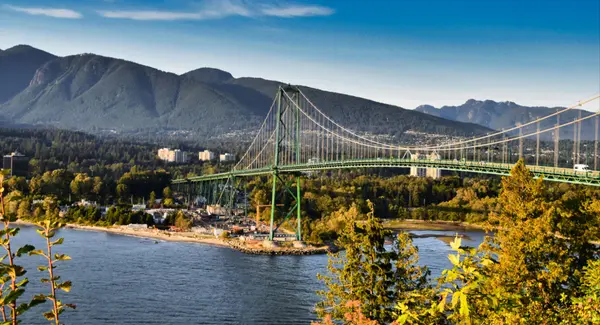
Photo Credit: Abraham R via Unsplash
Newest Listings in North Vancouver
Categories
Recent Posts


GET MORE INFORMATION