Living on Indian Arm: A Guide to Vancouver's Boat-Access Waterfront
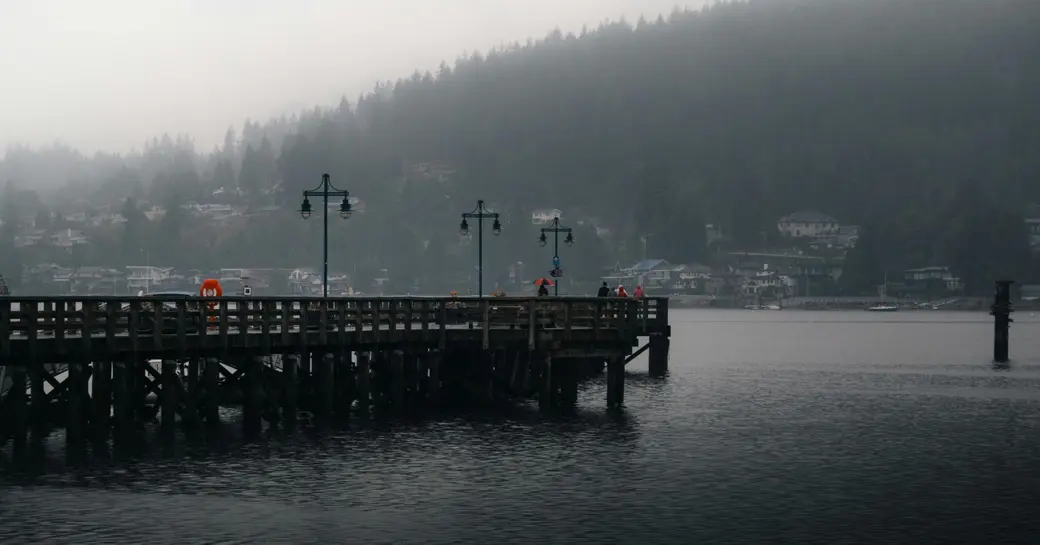
This is the most unusual real estate market in Metro Vancouver. Indian Arm is a glacial fjord that extends roughly 30 kilometres north from Deep Cove, flanked by steep, forested mountainsides and accessible, for most properties, only by boat. There are no roads to most of the homes on Indian Arm. No municipal water. No sewer connections. In many cases, no power grid. What there is: freehold waterfront on a fjord that begins 20 minutes by boat from a city of 2.5 million people, where orcas pass the dock, prawns and crab are caught in front of the property, and the nearest neighbour may be a 10-minute paddle away.
This guide covers the two MLS sub-areas that make up the area: Indian Arm (the boat-access waterfront properties along both sides of the fjord) and Indian River (the road-accessible sub-area at the mouth of the river, which functions as a conventional residential neighbourhood). Together, they represent the full spectrum: from off-grid cabins reachable only by water to standard detached homes with driveways and municipal services. For a broader overview of all North Vancouver neighbourhoods, see Living in North Vancouver.
Key Takeaways
- Most Indian Arm properties are boat-access only. You need a boat, a water taxi arrangement, or floatplane access to reach your property. There are no roads to most homes on the arm. This is the defining fact of the market.
- Indian River is the exception: a road-accessible sub-area at the southern end with a conventional mix of condos, townhomes, and detached homes connected to municipal infrastructure.
- The market sees 5 to 15 sales per year across the entire arm. Comparables are sparse, appraisals are challenging, and properties can sit on the market for extended periods. This is a specialty market that requires patience from both buyers and sellers.
- Many lenders will not finance boat-access properties. Cash purchases or specialty lenders are often required. Get financing confirmed (not just pre-approved for a conventional property) before viewing.
- Price ranges span from approximately $400,000 for a basic off-grid cabin to $6M+ for a custom waterfront build with full services. The variation reflects the enormous range of what "Indian Arm property" can mean.
What Is Indian Arm?
Indian Arm is a fjord: a deep, narrow inlet carved by glaciers, extending approximately 30 kilometres north from Deep Cove into the Coast Mountains. The arm is flanked on both sides by steep, densely forested mountain slopes, with residential properties scattered along the shoreline at accessible points. The western shore falls within the District of North Vancouver. The eastern shore, across the water, borders Belcarra, Anmore, and unincorporated land. For MLS purposes, the properties covered in this guide are those within the North Vancouver municipal boundary.
The geography creates a real estate market that does not function like any other in the region. There is no road network connecting most properties. No municipal water or sewer infrastructure extends up the arm. Most properties generate their own power (solar panels, generators, or micro-hydro systems), collect their own water (rainwater catchment, creek draw with Provincial water licences, or wells), and manage their own waste (septic systems or composting toilets). The notable exception is Brighton Beach, a 30-acre community of approximately 22 households on the western shore, roughly 10 minutes by boat from Deep Cove. Brighton Beach has BC Hydro electrical service and high-speed internet connectivity, making it the most "on-grid" community on the arm. Other locations along the arm, including Helga Bay, Best Point, and Crocker Island, are predominantly off-grid.
The arm has a long history of recreational and seasonal use. Many properties were originally built as summer cabins and have been incrementally upgraded over decades. Some have been rebuilt from the foundation up to contemporary standards, with permits, modern kitchens, and full bathrooms. Others remain rustic structures with minimal services. This range of condition and infrastructure is what creates the enormous price spread in the market: a basic off-grid cabin and a fully rebuilt custom home with a dock, generator, and guest cottage are both "Indian Arm properties," but they represent fundamentally different ownership experiences.
For buyers accustomed to conventional real estate, the most important mental adjustment is this: Indian Arm is not a neighbourhood. It is a collection of individual waterfront properties on a fjord, each with its own access, infrastructure, and maintenance requirements. There is no homeowners' association, no shared services (outside of Brighton Beach), and no guarantee that the systems that work on one property will apply to the one next to it. Every property must be evaluated individually.
The 2 Sub-Areas
Indian Arm
Indian Arm encompasses the waterfront properties along both sides of the fjord, from the northern edge of Deep Cove extending roughly 30 kilometres up the arm. The overwhelming majority of these properties are boat-access only. The housing ranges from original cabins (some dating back decades, with basic or no services) to fully rebuilt custom homes with private docks, generators or solar systems, water catchment, and guest cottages. Named locations along the arm include Brighton Beach (the most established community, with BC Hydro and internet), Helga Bay (known for its sunny western exposure and proximity to Granite Falls), Best Point (waterfront building lots, 15 minutes by boat from Deep Cove), and Crocker Island (a small island visible from several shoreline properties). Active listings at any given time typically number between 2 and 5. Sales across the entire arm average 5 to 15 per year. This is one of the lowest-volume residential markets in British Columbia.
Indian River
Indian River is a fundamentally different sub-area that shares a name with the river flowing into the head of Indian Arm but functions as a conventional, road-accessible residential neighbourhood. Located near the mouth of the river on the eastern side of North Vancouver, Indian River offers a mix of detached homes, townhomes, and condos connected to municipal water, sewer, and power infrastructure. The neighbourhood is accessed by road via Dollarton Highway and Mount Seymour Parkway, with standard commute access to Highway 1 and the Ironworkers Memorial Bridge. Active listings typically number between 7 and 15. Pricing is conventional for the eastern North Vancouver market: condos from approximately $500,000, townhomes from $800,000 to $1.3M, and detached homes from $1.3M to $2.0M. Indian River is included in this guide because it shares an MLS designation with the broader Indian Arm area, but buyers should understand that the two sub-areas have virtually nothing in common beyond the name.
The Name Distinction: "Indian Arm" and "Indian River" sound related, and they are geographically connected (the Indian River flows into Indian Arm). But in real estate terms, they are completely different markets. Indian Arm means boat-access fjord properties. Indian River means road-accessible suburban homes. If someone tells you they are looking at "Indian Arm real estate," the first question to ask is which one they actually mean.
How Boat-Access Real Estate Actually Works
This is the most important section of this guide. If you are considering an Indian Arm property, the logistics of access and infrastructure will determine your experience more than any other factor.
Getting to Your Property
Most Indian Arm properties require a private boat. The typical launch point is Deep Cove or the Cates Park boat ramp in Dollarton, with travel times ranging from 10 to 30 minutes depending on your location on the arm. Some buyers maintain a boat at a nearby marina; others trailer their boat each trip. Water taxi services exist but become expensive and logistically complex for regular use. Floatplane access is available for some properties with appropriate water frontage, though this is typically used for occasional access rather than daily commuting. The practical reality is that owning a boat (and being comfortable operating it in variable weather and sea conditions) is a prerequisite for living on or regularly visiting most Indian Arm properties.
Power
Most properties on Indian Arm are off-grid. Power generation options include solar panel systems (often with battery storage for overnight and cloudy-day use), gasoline or diesel generators, and in some cases micro-hydro systems that harness creek flow. Brighton Beach is the notable exception, with BC Hydro electrical service available to its approximately 22 households. For off-grid properties, the capacity and reliability of the power system directly affects what you can run (refrigeration, lighting, power tools, internet equipment) and how comfortably you can occupy the property, particularly during the shorter daylight months of winter. Evaluate the existing power infrastructure during the subject period as carefully as you would evaluate the structure itself.
Water
Municipal water does not extend to Indian Arm properties. Water sources include Provincial water licences that authorise drawing from a nearby creek or stream, rainwater catchment systems, and in some cases wells. The reliability and quality of the water supply varies by property and by season. Creek-fed systems may have reduced flow during dry summer months. Rainwater systems depend on storage capacity and rainfall patterns. Any water source should be tested for quality, and the legal status of any water licence should be confirmed as part of due diligence.
Waste Management
With no municipal sewer connection, waste management is the property owner's responsibility. Options include conventional septic systems (where soil and terrain permit installation), composting toilets, and in some older properties, systems that may not meet current environmental standards. The District of North Vancouver's building and environmental regulations apply to Indian Arm properties, and any system must comply with applicable requirements. Upgrading or replacing waste management systems on remote, steep, waterfront lots can be significantly more complex and expensive than on conventional properties.
Building Permits and Regulations
Indian Arm properties within the District of North Vancouver are subject to the District's building permit requirements, zoning bylaws, and environmental regulations. Building on a boat-access, off-grid lot involves additional complexity: materials must be transported by barge, contractors must be willing and equipped to work at remote sites, and the permitting process may involve additional environmental review. The cost of construction and renovation on Indian Arm is typically higher per square foot than comparable work on road-accessible properties, reflecting the logistics of material delivery, worker access, and waste removal. For a general overview of renovation and permit considerations in North Vancouver, see Renovating in North Vancouver.
Insurance
Insuring a boat-access, off-grid property is more complex and often more expensive than insuring a conventional home. Not all residential insurers will cover remote, water-access properties. Fire response times are significantly longer than in serviced areas (there is no fire hydrant network on Indian Arm), which affects fire insurance rates and availability. Flood, windstorm, and environmental liability coverage should also be evaluated. Work with an insurance broker who has experience with remote and waterfront properties before committing to a purchase.
Showing and Selling Logistics
Viewing an Indian Arm property is not a casual afternoon trip. Showings require boat access, coordination with tide and weather conditions, and often a minimum of half a day. Agents listing Indian Arm properties typically have their own boat or established water taxi arrangements. For sellers, the logistics of showing the property to prospective buyers are a meaningful factor in how long the property takes to sell and who the realistic buyer pool is. This is one of the reasons turnover is so low and marketing periods can extend for months or years.
Considering Indian Arm?
This is a specialty market that requires local knowledge, patience, and the right preparation. If you want to understand what is available and what it takes to buy, start with a conversation.
Get in TouchPrice Ranges
Indian Arm pricing is highly variable and more property-specific than in any other part of North Vancouver. Comparables are sparse (5 to 15 sales per year across the entire arm), and appraisals are challenging because each property has a unique combination of access, infrastructure, condition, and view exposure. The following ranges provide a general framework, not precise market values.
| Property Type | Typical Range | What to Expect |
|---|---|---|
| Basic cabin (off-grid) | $400K to $800K | Older structure, minimal services. Solar or generator power. Rainwater or creek water. Seasonal use most common. May need significant work. |
| Mid-tier waterfront | $900K to $1.8M | Improved structure, private dock, functional power and water systems. May include guest cottage. Suitable for extended stays or part-time living. |
| Custom build, full services | $2M to $6M+ | Rebuilt or purpose-built to contemporary standards. Multiple bedrooms and bathrooms, modern kitchen, reliable power (BC Hydro at Brighton Beach or robust solar/generator), dock, and in some cases internet connectivity. Year-round livable. |
| Building lot (vacant) | $250K to $500K | Freehold waterfront lot, typically off-grid, requiring full development. Provincial water licence may or may not be included. |
Indian River (the road-accessible sub-area) follows conventional North Vancouver pricing: condos from approximately $500K, townhomes $800K to $1.3M, and detached homes $1.3M to $2.0M. For current listings across both sub-areas, browse active listings or review recent sales.
Lifestyle Reality: What Indian Arm Living Actually Looks Like
Indian Arm is not a suburb you access by water instead of by road. It is a fundamentally different way of living, and the buyers who are happiest here are those who understood the realities before they purchased, not after.
- Weather closes water access. Strong outflow winds in winter, rough water conditions, and reduced daylight hours can make boat travel unsafe or impractical for days at a time. If you rely on the property as a primary residence, you need a plan for weather days when you cannot get to or from the dock.
- Groceries require planning. There is no store on Indian Arm. Every item you consume, use, or need must be transported by boat from Deep Cove or another launch point. Weekly provisioning runs are standard. Forgetting something means another boat trip or doing without until the next one.
- Emergency response is delayed. Fire, medical, and rescue services must reach you by water. Response times are measured in significantly longer intervals than in serviced areas. For medical emergencies, the delay can be meaningful. Families with young children or members with health conditions should evaluate this carefully.
- Social isolation is real. Some properties have no visible neighbours. The silence, particularly in winter, is complete. For some buyers, this is the entire appeal. For others, it becomes challenging after the novelty fades. The distinction between solitude (chosen) and isolation (imposed) is one that every prospective buyer should consider honestly.
- But the rewards are equally real. Orcas pass the dock. Prawns and crab are caught in the water in front of your property. Granite Falls and the surrounding trail network provide hiking that is accessed by kayak rather than by car. The night sky, free from urban light pollution, is visible in a way that is not possible anywhere else within 30 kilometres of a major Canadian city. The mornings are silent except for eagles and the water.
Who Buys on Indian Arm?
The Indian Arm buyer pool is small and specific. Understanding who purchases here helps you evaluate whether you are in the right market.
- Recreational second-home owners (most common): Families or individuals who own a primary residence elsewhere (often in North Vancouver or Vancouver) and use the Indian Arm property for weekends, summer holidays, and recreational getaways. This is the largest segment of the buyer pool.
- Retirees with boating experience: Buyers who have spent years on the water, own a capable boat, and are comfortable with the logistics of water-access living. They often purchase for extended-season or year-round use.
- Off-grid enthusiasts: Buyers specifically drawn to the self-sufficiency aspect: generating their own power, managing their own water, and living with a level of independence from municipal infrastructure that is not available in conventional residential areas.
- Families building generational property: Buyers who view the purchase as a long-term family asset rather than a short-term investment. These properties are often held for decades and passed between generations, which is one of the reasons turnover is so low.
Financing Challenges
This is where many prospective Indian Arm purchases stall. The majority of conventional mortgage lenders will not finance boat-access properties. The reasons are straightforward from the lender's perspective: the properties are difficult to appraise (sparse comparables), difficult to access for valuation and inspection, and difficult to liquidate in the event of default. The practical result is that most Indian Arm purchases are either cash transactions or financed through specialty lenders who work with remote and unconventional properties, often at higher interest rates and with larger down payment requirements.
If you are considering an Indian Arm purchase and plan to finance any portion of it, confirm your financing before viewing properties. This is not the standard advice to "get pre-approved." It is more specific: confirm with your lender or broker that they will finance a boat-access, off-grid, waterfront property in this area, and understand the terms they will require. A pre-approval for a conventional property does not extend to this market. For a general overview of the BC buying process and financing, see the First-Time Buyer's Guide.
When Indian Arm Is Not the Right Fit
- You need a primary residence with a daily commute. Commuting from Indian Arm to a conventional workplace is not realistic on a daily basis. The boat travel, weather dependency, and time involved make it impractical as a weekday commute.
- You do not own or want to own a boat. Water taxi services exist, but relying on them for regular access becomes expensive and logistically constraining. Comfortable, capable boat ownership is a practical requirement.
- You want walkable amenities. There are no shops, restaurants, medical services, or commercial amenities on Indian Arm. Every service requires a boat trip to Deep Cove or beyond.
- You need traditional mortgage financing. Most conventional lenders will not finance boat-access properties. If your purchase depends on a standard mortgage, this market is likely not accessible to you without alternative arrangements.
- You have mobility concerns. Water access is physically demanding. Getting on and off a boat, navigating docks in varying tidal and weather conditions, and managing steep terrain between the waterline and the home require a level of physical capability that should be honestly assessed.
How the Indian Arm Market Moves
The Indian Arm market does not move like a conventional residential market. It is not correlated to interest rates in the way that condos and townhomes are. It is not correlated to inventory levels in the way that detached homes in established neighbourhoods are. It is a specialty market with its own dynamics.
Volume is the defining characteristic: 5 to 15 sales per year across the entire arm. In some years, fewer than 5 properties change hands. This means that broad market statistics (averages, benchmarks, sales-to-active ratios) are not meaningful for Indian Arm. Each transaction is individual, and pricing is negotiated between the specific buyer and the specific seller based on the specific property's characteristics.
Properties that are well-maintained, have reliable infrastructure (power, water, dock), and are presented properly tend to sell to the right buyer within a reasonable timeframe. Properties with deferred maintenance, unclear title issues, or inadequate infrastructure can sit on the market for years. The buyer pool is small but genuine: the people who are looking for Indian Arm properties know what they want, and when the right property appears, they act. The challenge is that "the right property" is highly personal in this market, and the matching process can take time. For current North Shore market conditions, see the North Shore Market Update.
Frequently Asked Questions
Can I live on Indian Arm full-time?
Yes, some residents do. Brighton Beach, with its BC Hydro service and internet connectivity, is the most practical location for full-time living on the arm. Other locations can support full-time occupancy if the property has robust power generation, reliable water, and adequate waste management systems, and if the owner is comfortable with the logistics of boat-dependent access, weather closures, and the isolation that winter brings. Most Indian Arm properties are used as recreational or seasonal residences rather than primary homes.
How do I get to my property?
By boat, in most cases. The typical launch point is Deep Cove or Cates Park in Dollarton, with travel times of 10 to 30 minutes depending on your location on the arm. Some owners keep their boat at a nearby marina; others trailer each trip. Water taxi services and floatplane access are available but are not practical for regular use. Owning and operating a seaworthy boat is a practical requirement for most Indian Arm properties.
Can I finance an Indian Arm property?
Financing is available but limited. Most conventional mortgage lenders will not finance boat-access, off-grid properties. Cash purchases are common. Specialty lenders who work with remote and waterfront properties may provide financing, typically at higher rates and with larger down payment requirements. Confirm financing availability and terms with your lender before viewing properties. A standard pre-approval does not apply to this market.
What about emergency services?
Fire, medical, and rescue services must reach Indian Arm properties by water. Response times are significantly longer than in serviced residential areas. There is no fire hydrant network on the arm. Buyers should evaluate the implications of delayed emergency response for their household, particularly if family members have medical conditions that could require urgent care. Some owners maintain their own firefighting equipment (pumps, hoses) as a precaution.
Is internet available?
At Brighton Beach, yes. BC Hydro service and high-speed internet are available to the approximately 22 households in the Brighton Beach community. For other locations on the arm, internet access depends on the specific property and what infrastructure the owner has installed. Satellite internet services (such as Starlink) have made connectivity possible at remote locations that previously had no options, though service quality, latency, and reliability vary. If internet access is essential for work or daily life, confirm the connectivity situation at the specific property before purchasing.
Are Indian Arm properties freehold or leasehold?
Most Indian Arm properties within the North Vancouver municipal boundary are freehold, meaning you own the land outright. This distinguishes them from some other waterfront and remote properties in BC that are held under Crown land leases or other tenure arrangements. However, the specific title should be verified as part of the legal due diligence for any purchase. Your lawyer or notary will confirm the ownership structure during the subject period.
What is the difference between Indian Arm and Indian River?
They are completely different markets. Indian Arm refers to the boat-access waterfront properties along the fjord, typically off-grid, with pricing from $400K (basic cabin) to $6M+ (custom build). Indian River is a road-accessible residential neighbourhood at the mouth of the river, with conventional municipal services, a mix of condos, townhomes, and detached homes, and pricing that follows standard North Vancouver patterns ($500K to $2.0M). The two sub-areas share an MLS naming convention but virtually nothing else.
A Different Kind of Real Estate Decision
Indian Arm is not a neighbourhood you move to because the schools are good or the commute is short. It is a place you choose because the waterfront, the solitude, the wildlife, and the self-sufficiency are worth the logistics, the planning, and the fundamental change in how you live. The buyers who are happiest here are those who understood exactly what they were choosing and what they were giving up. The ones who struggle are those who romanticised the idea without fully engaging with the reality.
If Indian Arm interests you, the best first step is a conversation about what you are looking for, what your budget allows, and whether the practical realities of boat-access ownership align with your lifestyle. Browse current listings to see what is available, review recent sales for pricing context, or check the market snapshot for broader North Shore conditions. You can also read what past clients have to say on the reviews page.
Start With a Conversation
Indian Arm requires a different approach. Local knowledge, patience, and preparation matter more here than anywhere else on the North Shore.
Message Paul FraserContent Note: Price ranges for Indian Arm properties are approximate and based on limited transaction data (5 to 15 sales per year). Each property has unique access, infrastructure, and condition characteristics that significantly affect value. Indian River pricing follows conventional North Vancouver patterns. Brighton Beach community details based on publicly available listings and community descriptions. Building permit requirements are subject to District of North Vancouver bylaws. Moorage and dock regulations are governed by Transport Canada. Water licences are issued by the Province of British Columbia. Insurance considerations should be confirmed with a broker experienced in remote waterfront properties. This guide is educational and does not constitute real estate or investment advice. For current listings, see active listings and recent sales. Sellers can request a home evaluation. Data last verified: May 2026.
Photo Credit: Ekam Juneja via Pexels
Properties for Sale on Indian Arm and Indian River
Categories
Recent Posts
GET MORE INFORMATION