
North Vancouver vs. West Vancouver: A Buyer's Comparison Guide
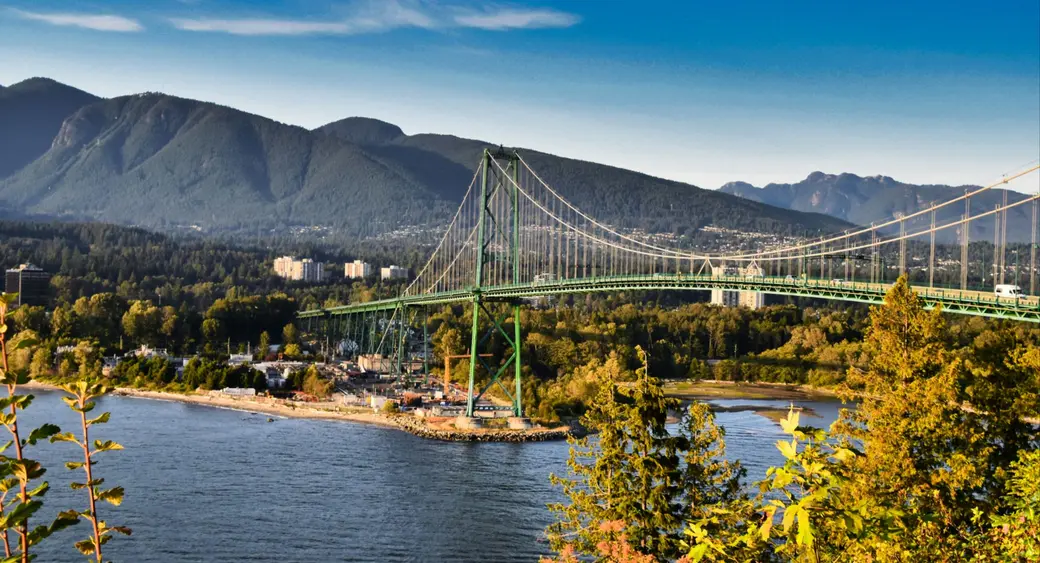
North Vancouver and West Vancouver share a mountainside, a shoreline, and a North Shore postal identity, and they are frequently spoken of in the same breath. Yet for a buyer deciding where to put down roots, they are meaningfully different places, with different price structures, different housing stock, different school systems, and different daily rhythms. The choice between them is rarely about which is objectively better. It is about which one fits the life you are trying to build and the budget you are working within.
This guide offers a measured, side-by-side comparison of the two municipalities, grounded in current market data and the practical realities of living in each. It is written for buyers who are weighing the North Shore as a whole and want to understand the trade-offs before they narrow their search. For a deeper look at North Vancouver specifically, see Living in North Vancouver. For how North Vancouver compares to the city across the inlet, see North Vancouver vs. Downtown Vancouver.
Key Takeaways
- West Vancouver is, on the whole, the more expensive municipality. Its average detached sale price approached $2.73 million in April 2026, while North Vancouver's detached benchmark sits in the low-to-mid $2 million range. The gap widens considerably at the upper end, where West Vancouver's British Properties and waterfront estates reach well into the multi-millions.
- North Vancouver offers more housing diversity and more attainable entry points. It has a far deeper supply of condos and townhomes, a broader range of price points, and considerably more transaction volume, which generally means more choice for buyers.
- The two are governed differently. "North Vancouver" is actually two municipalities (the City and the District), while West Vancouver is a single district municipality. They also fall under separate school districts: SD44 (North Vancouver) and SD45 (West Vancouver).
- North Vancouver is better connected. It has the SeaBus, a 12-minute passenger ferry to downtown, plus two bridges. West Vancouver relies primarily on the Lions Gate Bridge, which makes its commute more sensitive to a single point of congestion.
- Both are buyer-friendlier in 2026 than they have been in years. Elevated inventory and a softer market across Metro Vancouver have given buyers in both municipalities more selection and more negotiating room, particularly in the condo and townhome segments.
The Fundamental Difference
Before comparing prices or schools, it helps to understand what these two places actually are, because the structure shapes everything else.
North Vancouver is two municipalities operating side by side: the City of North Vancouver, a compact, denser urban municipality centred on the Lonsdale corridor and the waterfront, and the District of North Vancouver, a larger, more spread-out municipality that wraps around the City and extends from Edgemont in the west to Deep Cove in the east. Together they are home to roughly three times the population of West Vancouver. The presence of two municipalities means two sets of councils, bylaws, zoning frameworks, and property tax structures, a distinction that matters when you are evaluating a specific property.
West Vancouver is a single district municipality occupying the western end of the North Shore, from the Capilano River west to Horseshoe Bay and up the slopes toward Cypress. It has historically positioned itself as a lower-density, higher-value residential community, and its planning and character reflect that: larger lots, fewer apartment towers, and a deliberate emphasis on preserving its established residential feel. The result is one of the most affluent municipalities in Canada, with a housing market to match.
In the simplest terms: North Vancouver is the more urban, more diverse, more connected option, and West Vancouver is the more exclusive, lower-density, higher-priced one. Neither framing is a value judgment. They are simply different products serving different buyers.
Price Comparison
Price is usually where the comparison begins, and it is where the two municipalities diverge most clearly. The figures below reflect typical market activity in spring 2026 and should be read as general ranges rather than precise valuations for any specific property.
| Segment | North Vancouver | West Vancouver |
|---|---|---|
| Detached (typical) | Low-to-mid $2M range | Averaging close to $2.7M, with a much higher ceiling |
| Detached (upper end) | $3M to $5M in premium pockets | $4M to $10M+ in British Properties and on the waterfront |
| Townhome | Roughly $1.0M to $1.6M, deep inventory | Limited inventory, generally higher |
| Condo | Roughly $600K to $1.2M, broad selection | Concentrated in Ambleside and Dundarave, generally higher |
| Most accessible entry | Condos from the high $400Ks in some pockets | Limited; condo entry is meaningfully higher |
The headline takeaway is that West Vancouver carries a premium across every segment, and the premium grows as you move up-market. A buyer with a $2 million budget has a wide range of detached options in many North Vancouver neighbourhoods, and a strong selection of townhomes and condos throughout the municipality. The same budget in West Vancouver buys a more limited set of detached homes, often in the less central or higher-elevation areas, and competes against a market where the typical detached sale sits well above that figure.
For buyers prioritising a detached home, the practical question is often whether the West Vancouver premium delivers enough additional value (in lot size, views, prestige, or school catchment) to justify the cost. For some buyers it clearly does. For others, the same money goes considerably further in North Vancouver. To explore current pricing in either direction, browse active listings or review recent sales.
Housing Stock and Inventory
The difference in housing stock is as significant as the difference in price, and the two are related.
North Vancouver has spent the past two decades adding density, particularly along the Lonsdale corridor and in Lynn Valley, where condo and townhome development has expanded the range of housing types and price points. The result is a municipality where a first-time buyer, a downsizer, a growing family, and a luxury detached buyer can all find suitable inventory. In spring 2026, North Vancouver had roughly 1,100 properties listed for sale across all types, providing substantial choice. For a detailed look at the housing mix in each part of the municipality, the six area guides are a useful starting point, including the Lonsdale Corridor for condos and townhomes and the Edgemont and Capilano west side for detached homes.
West Vancouver, by contrast, is predominantly a detached-home municipality. It has deliberately limited high-density development, with apartment and townhome inventory concentrated mainly in Ambleside and Dundarave near the waterfront. In spring 2026, West Vancouver had roughly 686 properties listed, a smaller absolute number that reflects both its smaller size and its lower-turnover, detached-dominant character. A buyer seeking a condo or townhome will find far fewer options in West Vancouver, and those options will generally carry a higher price than comparable units in North Vancouver.
What this means in practice: If your search includes condos or townhomes, North Vancouver offers dramatically more selection and a wider range of price points. If you are specifically seeking a large detached lot, an estate property, or a prestige waterfront home, West Vancouver offers depth at the top of the market that North Vancouver cannot fully match. The right municipality often follows directly from the property type you are after.
Weighing the North Shore?
If you are deciding between North and West Vancouver, a conversation about your budget, priorities, and timeline is the fastest way to clarity.
Get in TouchSchools: SD44 vs. SD45
For families, the school district is often a deciding factor, and this is one area where the municipal boundary genuinely matters, because the two are served by entirely separate districts.
North Vancouver falls under School District 44, which operates 25 elementary schools, seven secondary schools, and an online school, serving approximately 16,000 students. SD44 is well regarded, with strong secondary schools including Handsworth, Argyle, Carson Graham (which offers the International Baccalaureate programme), Sutherland, Seycove, and Windsor. French Immersion is available at multiple entry points across the district. The breadth of the district reflects the size and diversity of the municipality it serves.
West Vancouver falls under School District 45, one of the smaller districts in the province and consistently one of the highest-performing. SD45 has built a strong academic reputation, operating schools including West Vancouver Secondary, Rockridge Secondary, and Sentinel Secondary, along with a network of elementary schools. The district is known for its International Baccalaureate and Advanced Placement offerings and has historically attracted families specifically for its schools, including a notable international student presence.
Both districts are strong, and a family would be well served in either. The distinction is less about quality and more about specific catchments and programmes. As always, catchment boundaries should be confirmed directly with the relevant district by address before any purchasing decision, as boundaries are adjusted periodically. For how schools factor into neighbourhood choice within North Vancouver, see Best Neighbourhoods for Families.
Commuting and Connectivity
Connectivity is one of North Vancouver's clearest advantages, and it stems from a single asset that West Vancouver does not have: the SeaBus.
The SeaBus is a passenger ferry that crosses from Lonsdale Quay in the City of North Vancouver to Waterfront Station in downtown Vancouver in 12 minutes, connecting directly to the SkyTrain network and the broader transit system. For commuters who work downtown, it offers a fast, reliable, weather-independent alternative to driving that bypasses bridge congestion entirely. North Vancouver also has two road crossings: the Lions Gate Bridge to the west and the Ironworkers Memorial Bridge (Second Narrows) to the east, which gives drivers a degree of redundancy when one crossing is congested.
West Vancouver has no SeaBus and relies primarily on the Lions Gate Bridge for access to downtown Vancouver, with the Highway 1 corridor providing a secondary route eastward toward the Ironworkers. This dependence on the Lions Gate Bridge makes the West Vancouver commute more sensitive to a single point of congestion. When the bridge backs up, the alternatives are less convenient than they are from North Vancouver. West Vancouver does, however, have one connectivity asset North Vancouver lacks: the Horseshoe Bay ferry terminal, which provides BC Ferries service to Vancouver Island, the Sunshine Coast, and Bowen Island, an advantage for buyers with ties to those communities. For a thorough analysis of North Shore commuting, including the SeaBus and both bridges, see Commuting from the North Shore.
Lifestyle and Community Character
Beyond price and logistics, the two municipalities have distinct personalities, and the difference in daily life is real.
North Vancouver leans more urban, more active, and more varied. The Lonsdale corridor offers genuine walkable density, with the Shipyards District, Lonsdale Quay, restaurants, breweries, and year-round community events. The municipality skews toward a broad demographic mix: young professionals and first-time buyers in the condo-rich lower corridor, families in Lynn Valley and the Edgemont west side, and outdoor enthusiasts throughout. The trail networks, the mountain bike culture, and the proximity to Mount Seymour and Grouse Mountain give North Vancouver a recreational identity that is woven into everyday life.
West Vancouver leans quieter, more residential, and more established. Its commercial life centres on the Ambleside and Dundarave villages along the waterfront, which are pleasant and walkable but smaller in scale than Lonsdale. The municipality is known for its seawall, its beaches, the Cypress Mountain ski area above it, and a generally calmer, more affluent pace. It tends to attract established families, executives, downsizers seeking quality over density, and buyers drawn to the prestige and privacy that the municipality has cultivated over generations. For a sense of how a comparable waterfront village feels on the North Vancouver side, see the Deep Cove and Dollarton guide.
Which One Is Right for You?
Rather than declaring a winner, it is more useful to match each municipality to the buyer it serves best.
North Vancouver tends to be the stronger fit if you: want a condo or townhome, are buying for the first time or working within a more constrained budget, value a fast transit commute to downtown, prefer a more urban and walkable environment, want a wider selection of homes to choose from, or prioritise proximity to the trail and mountain bike networks.
West Vancouver tends to be the stronger fit if you: are seeking a large detached lot or an estate property, place a high priority on the SD45 school district, want prestige waterfront or view property at the top of the market, prefer a quieter and lower-density setting, value privacy over walkable density, or have ties to the communities served by the Horseshoe Bay ferry terminal.
Many buyers find that the decision makes itself once they have clarified two things: the property type they actually want, and the budget they are working within. Those two factors, more than any abstract preference, usually point clearly toward one municipality or the other.
How the Two Markets Are Behaving in 2026
Both municipalities are part of the broader Metro Vancouver market, which in spring 2026 has favoured buyers more than it has in several years. Elevated inventory, sales running below the long-term seasonal average, and a Bank of Canada policy rate held at 2.25% have combined to give buyers more selection and more negotiating room, particularly in the condo and townhome segments.
Within that backdrop, the detached segment has shown the most strength across the region, with detached sales rising year-over-year even as condo and townhome sales softened. This pattern affects the two municipalities differently. West Vancouver, being detached-dominant, is more exposed to the detached cycle, and its market tends to move on the decisions of a smaller pool of high-end buyers, which can make it less predictable month to month. North Vancouver, with its broader housing mix, sees more consistent transaction volume across all segments, which generally translates into steadier, more readable market conditions. For the most recent figures, see the North Shore Market Update.
Good to Know Before You Choose
- Property taxes differ. The City of North Vancouver, the District of North Vancouver, and the District of West Vancouver each set their own mill rates. Two homes of identical assessed value in different municipalities can carry different annual tax bills. Confirm the figure for any specific property.
- The BC Speculation and Vacancy Tax applies across all three municipalities, as does the additional School Tax on high-value residential property (above $3 million), which is more likely to affect West Vancouver buyers given the higher prices.
- West Vancouver's terrain is steeper on average. Many of its desirable view properties sit on significant slopes, which affects driveways, winter access, and maintenance. North Vancouver offers flatter options in the lower Lonsdale corridor and Norgate.
- Insurance and maintenance costs can be higher for older estate homes, waterfront properties, and homes on steep or treed lots, which are more common in West Vancouver.
When Neither Is the Obvious Answer
- You want walkable urban density above all. Even North Vancouver's Lonsdale corridor, the densest part of the North Shore, is quieter than downtown Vancouver. If true urban living is the priority, see North Vancouver vs. Downtown Vancouver.
- Your budget is below the North Shore detached entry point. If a detached home is essential but the budget does not reach, a North Vancouver townhome often delivers more of the detached experience than stretching into a compromised West Vancouver property. See Condo vs. Townhome vs. Detached.
- You need a daily ferry connection. If regular travel to Vancouver Island or the Sunshine Coast is central to your life, West Vancouver's Horseshoe Bay terminal is a genuine and specific advantage worth weighing heavily.
Frequently Asked Questions
Is West Vancouver always more expensive than North Vancouver?
On average, yes, particularly for detached homes, where West Vancouver's typical sale price sits well above North Vancouver's. However, the markets overlap at certain points. A modest West Vancouver condo in Ambleside may be comparable in price to a premium North Vancouver condo in Lower Lonsdale, and a smaller West Vancouver home in a less central area may sit within reach of a North Vancouver detached budget. The averages tell the general story, but individual properties vary, and overlap exists at the margins.
Which has better schools, North or West Vancouver?
Both school districts are strong. SD45 (West Vancouver) is one of the highest-performing districts in the province and is a frequent draw for families. SD44 (North Vancouver) is larger and also well regarded, with strong secondary schools and IB programming. The better choice depends on the specific catchment, programme, and school in question rather than a blanket judgment about either district. Confirm catchments by address with the relevant district.
Is the commute really better from North Vancouver?
For downtown commuters, generally yes, because of the SeaBus, which provides a 12-minute crossing independent of bridge traffic, plus access to two bridges rather than primarily one. West Vancouver's reliance on the Lions Gate Bridge makes its commute more vulnerable to congestion at that single crossing. That said, the specific commute depends heavily on where you live and where you work. A West Vancouver resident working in the British Properties area or commuting to the Island via Horseshoe Bay may find their situation entirely convenient.
Where can I get more home for my money?
For most buyers, North Vancouver offers more home and more choice for a given budget, especially in the condo and townhome segments and in the entry-to-mid detached range. West Vancouver concentrates its value at the upper end of the market, where it offers larger lots, prestige addresses, and waterfront and view properties that North Vancouver cannot fully match. The answer depends on what you are buying and how much you are spending.
Are both areas good for families?
Yes. Both offer strong schools, abundant parks and recreation, low crime, and family-oriented neighbourhoods. North Vancouver's Lynn Valley and Edgemont areas are particularly popular with families for their combination of schools, amenities, and relative value. West Vancouver's established neighbourhoods and SD45 schools are a strong draw for families with the budget to access them. Neither is a poor choice for raising a family.
Is now a good time to buy on the North Shore?
Spring 2026 has been more favourable to buyers than the market has been in several years, with elevated inventory and more negotiating room in both municipalities, particularly for condos and townhomes. Whether it is the right time for you depends on your personal circumstances, financing, and timeline rather than on market timing alone. This is general information, not financial advice. For current conditions, see the North Shore Market Update, and consider requesting a home evaluation if you are also selling.
Making the Decision
North Vancouver and West Vancouver are not rivals so much as two distinct answers to the same question: how do you want to live on the North Shore? West Vancouver answers with space, prestige, and a lower-density calm, at a price that reflects all three. North Vancouver answers with diversity, connectivity, and a wider range of attainable options, in a more urban and active setting. Neither answer is wrong. The right one is simply the one that matches your priorities and your budget.
If you would like help thinking it through, the most productive starting point is a conversation about what matters most to you. Browse current listings to see what each municipality offers, review recent sales for pricing context, or check the market snapshot for current conditions. You can also read what past clients have to say on the reviews page.
Start With a Conversation
Choosing between North and West Vancouver is a personal decision. I am here to help you weigh the trade-offs and find the right fit.
Message Paul FraserContent Note: Market figures reflect spring 2026 data from Greater Vancouver REALTORS® and publicly reported North Shore market statistics. West Vancouver's average detached sale price was reported at approximately $2,728,000 with a median 32 days on market in April 2026; North Vancouver's detached benchmark was in the low-to-mid $2 million range. Metro Vancouver's composite benchmark was $1,098,000 in April 2026. The Bank of Canada policy rate was held at 2.25% as of its April 2026 decision. School information from School District 44 (North Vancouver) and School District 45 (West Vancouver); catchments should be verified by address. Property tax, Speculation and Vacancy Tax, and School Tax details are subject to provincial and municipal policy and should be confirmed for any specific property. Prices are approximate and vary by property, condition, and location. This guide is educational and does not constitute real estate, tax, or investment advice. For current listings, see active listings and recent sales. Data last verified: June 2026.
Photo Credit: Jeffrey Eisen via Pexels
North Shore Homes for Sale
Categories
Recent Posts



GET MORE INFORMATION