
Living in Deep Cove, BC: Coastal Charm and What Buyers Should Know
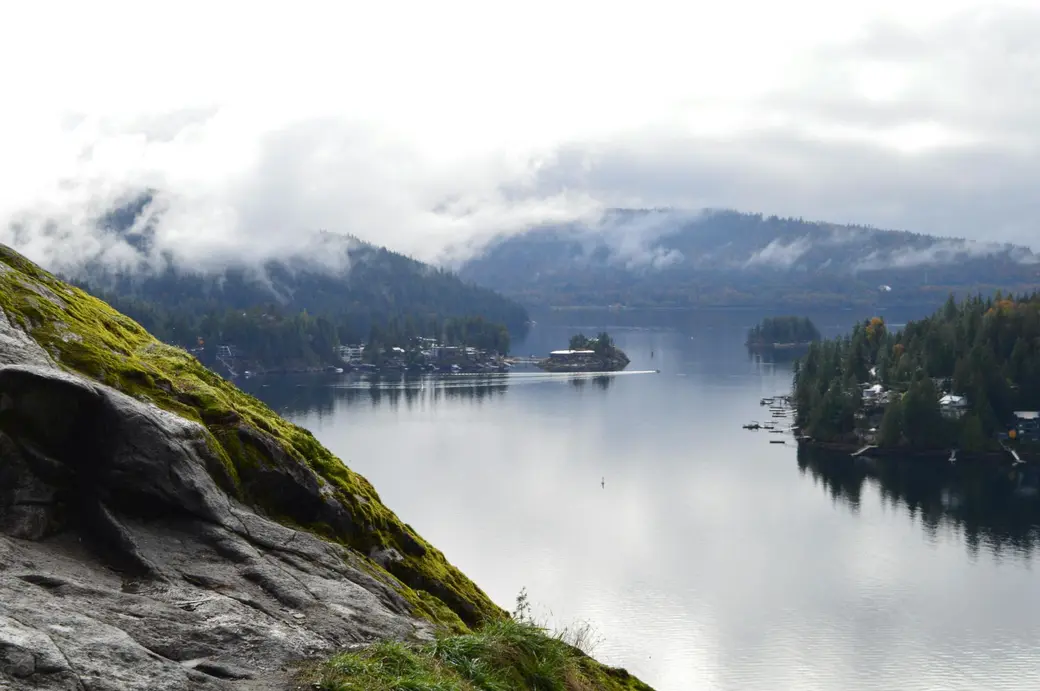
Deep Cove sits at the far eastern edge of North Vancouver, tucked into a sheltered bay at the entrance to Indian Arm. It is the most geographically distinct neighbourhood on the North Shore. Where Lower Lonsdale offers urban energy and Lynn Valley provides forest immersion, Deep Cove delivers something neither can replicate: a coastal village with water at its centre, surrounded by forested mountains and reached by a single road that reinforces its sense of separation from the rest of the municipality.
The area holds deep cultural significance as the traditional territory of the Tsleil-Waututh Nation, the People of the Inlet. European settlement began in earnest in the early 1900s, when Deep Cove served as a summer retreat for Vancouver residents, with cabins, a yacht club, and a dance hall forming the early community. The completion of the Second Narrows Bridge in 1960 encouraged year-round residential growth, but the neighbourhood has maintained a village character that is closer to a small coastal town than to a suburban community. For buyers, the question is not whether Deep Cove is appealing. It is whether the lifestyle it offers, including its trade-offs, aligns with your daily reality.
Key Takeaways: Living in Deep Cove
- Deep Cove is a coastal village, not a typical suburb. The neighbourhood is centred on a sheltered bay with a single commercial street (Gallant Avenue), a waterfront park, and a compact collection of shops, restaurants, and cultural institutions. The feel is closer to a small town than to any other North Vancouver neighbourhood.
- Outdoor access is water-focused. Kayaking, paddleboarding, and sailing on Indian Arm define the outdoor culture here, complemented by the Quarry Rock trail (3.8 km round trip via the Baden Powell Trail) and proximity to Mount Seymour.
- Housing is predominantly detached. The area includes heritage cottages, established detached homes, and some contemporary builds. There is very limited condo or townhome inventory. This is not an entry-level market for most buyers.
- The commute is the most significant trade-off. Deep Cove is the farthest North Vancouver neighbourhood from the Lonsdale corridor and the SeaBus terminal. Transit to downtown Vancouver takes approximately 45 to 60 minutes. The neighbourhood is car-dependent for most daily needs.
- Parking and weekend crowds are a reality. Deep Cove is a popular destination for visitors across Metro Vancouver. On summer weekends, street parking fills early and the village can feel very different from its quiet weekday character.
The Water: Indian Arm and Coastal Living
Water is the defining feature of Deep Cove. The sheltered bay faces south into Indian Arm, a glacially carved fjord that extends approximately 18 kilometres north into the Coast Mountains. The bay's shape and shallow bottom provide calm conditions for paddling, sailing, and small-boat anchoring, which is why the Deep Cove Kayak Centre and the Deep Cove Yacht Club are two of the neighbourhood's anchor institutions.
For residents, the water is not a weekend amenity. It is part of the daily environment. Morning paddles before work, evening walks along the waterfront in Panorama Park, and the constant presence of the inlet's shifting light and weather create a rhythm of life that is distinct from anywhere else on the North Shore. The small sandy beach at Panorama Park provides swimming access in summer, and the park itself, with its playground, picnic areas, and views across the bay, functions as the community's outdoor living room.
Water-Based Activities
- Kayaking and paddleboarding: The Deep Cove Kayak Centre offers rentals and guided tours from the waterfront. Indian Arm's calm waters and dramatic scenery make this one of the best paddling destinations in Metro Vancouver. Guided tours to Granite Falls and Twin Islands are available seasonally.
- Sailing and boating: The Deep Cove Yacht Club provides moorage, sailing programs, and a social community for boating enthusiasts. The bay is one of the few locations in Indian Arm with both a sheltered shape and the shallow bottom required for overnight anchorage.
- Rowing: The Deep Cove Rowing Club operates from the waterfront, offering programs for adults and youth.
- Swimming: The small beach at Panorama Park provides freshwater swimming access in summer. The water is cold but usable from June through September.
Quarry Rock and Trail Access
The Quarry Rock trail is Deep Cove's most well-known hike and one of the most popular trails in all of North Vancouver. The route follows a section of the Baden Powell Trail from Panorama Drive, climbing through temperate rainforest for approximately 1.9 kilometres (3.8 km round trip) to a rock outcrop overlooking Indian Arm. The hike takes approximately 45 minutes to one hour each way and is rated moderate. The trail includes stairs, boardwalks, and uneven terrain with tree roots, so sturdy footwear is recommended.
| Trail / Activity | Distance | Time | Character |
|---|---|---|---|
| Quarry Rock (Baden Powell Trail) | 3.8 km round trip | 1.5 to 2 hours | Forest trail with stairs and boardwalks. Panoramic views of Indian Arm from the rock outcrop at the end. |
| Baden Powell Trail (Deep Cove to Lynn Canyon) | Approximately 12 km one way | 4 to 6 hours | Rugged cross-North Shore trail connecting Deep Cove to Lynn Canyon Park. Challenging terrain. Experienced hikers. |
| Panorama Park waterfront walk | Short loop | 15 to 30 minutes | Paved paths along the waterfront with beach access, playground, and picnic areas. Accessible for all fitness levels. |
| Mount Seymour Provincial Park | Short drive from Deep Cove | Varies | Alpine hiking in summer, skiing and snowshoeing in winter. Multiple trailheads accessible from Mount Seymour Road. |
Local Insight: Quarry Rock is extremely popular with visitors, particularly on summer weekends. Residents who live in Deep Cove quickly learn that the trail is best enjoyed on weekday evenings or early weekend mornings when the crowds have not yet arrived. The experience of hiking Quarry Rock at 7:00 AM on a Tuesday is fundamentally different from the experience at noon on a Saturday. Living in the neighbourhood gives you access to that quieter version of the trail on a daily basis, which is one of the less obvious advantages of being a resident rather than a visitor.
The Village: Gallant Avenue and Community Life
Deep Cove's village is centred on Gallant Avenue, a single commercial street that runs east from Deep Cove Road toward the waterfront. It is small by any measure, but its compact scale is part of what gives the neighbourhood its character. The street includes a handful of restaurants, cafes, boutique shops, and galleries, along with the Deep Cove Cultural Centre, which houses three community institutions under one roof.
What You Will Find in the Village
- Arms Reach Bistro: A well-regarded restaurant on Gallant Avenue offering West Coast cuisine with waterfront views. It is one of the most popular dining destinations in Deep Cove and one of the few full-service restaurants in the village.
- Honey Doughnuts and Goodies: An institution. The lineup is part of the experience, and the doughnuts are a local ritual, particularly after a hike. It is the kind of place that visitors plan a trip around and residents visit regularly.
- The Raven Pub: Located on Deep Cove Road (not on Gallant Avenue itself), The Raven is known for its pizza and its craft beer selection, which is reportedly the largest on the North Shore. It serves as the neighbourhood's informal gathering place.
- Deep Cove Cultural Centre: This community facility houses the Shaw Theatre (a 130-seat venue operated by the Deep Cove Stage Society and First Impressions Theatre), the Seymour Art Gallery, and the Deep Cove Heritage Society. It is the cultural heart of the neighbourhood and hosts plays, exhibitions, and community events throughout the year.
- Boutique shops and galleries: A small collection of independent retailers, artisan shops, and galleries lines Gallant Avenue, contributing to the village's character.
Community Events
Deep Cove's event calendar reflects its small-town character. Free waterfront concerts are held on summer Friday evenings in Panorama Park as part of NVRC's Live and Local series. The Deep Cove Bonfire, held annually around early December, is a community gathering on the waterfront. The New Year's Day Polar Bear Swim draws approximately 300 participants each January 1st. These events are modest in scale but central to the neighbourhood's social fabric.
Interested in Deep Cove?
This is a neighbourhood that needs to be experienced firsthand to understand. If you want to explore what is available and what the lifestyle is actually like on the ground, reach out anytime.
Get in TouchHousing: What Is Available and What to Expect
Deep Cove's housing stock is predominantly detached. The mix includes heritage cottages from the neighbourhood's early decades, established mid-century homes on established lots, and a smaller number of contemporary builds and renovations. Waterfront properties and homes with direct water views command the highest premiums. There is very limited condo or townhome inventory in Deep Cove proper, which means the neighbourhood is generally not an entry-level market for first-time buyers. The adjacent areas of Cove Cliff and Dollarton offer somewhat different housing options and may provide alternatives for buyers who want to be near Deep Cove without the premium of the village itself.
| Property Type | Availability | Typical Buyer Profile | Considerations |
|---|---|---|---|
| Heritage cottages | Limited, sought-after | Buyers seeking character, charm, and village proximity | Older structures may require significant maintenance. Review the age of the roof, plumbing, electrical, and foundation carefully. Some may have heritage character that restricts exterior modifications. |
| Established detached homes | The majority of the housing stock | Families, lifestyle buyers, move-up buyers from other North Shore neighbourhoods | Lot sizes, condition, and views vary significantly. Homes on the hillside above the village may offer water views. Properties closer to the main roads may experience more visitor traffic during peak periods. |
| Contemporary builds and renovations | Smaller segment | Buyers wanting modern finishes in a village setting | Newer construction or fully renovated homes carry a premium. Confirm municipal zoning requirements and any neighbourhood-specific building restrictions before planning renovations. |
| Waterfront properties | Very rare | Luxury buyers, boating enthusiasts | Among the most expensive properties in North Vancouver. Direct water access or dock privileges add significant value. Shoreline regulations and flood considerations may apply. |
Pricing in Deep Cove varies widely based on lot size, condition, water proximity, and views. Rather than quoting specific numbers, the most practical approach is to review current listings filtered by Deep Cove and compare with recent sales. For a sense of current market conditions across Metro Vancouver, see the April 2026 Market Update.
Local Insight: Deep Cove inventory moves differently from the rest of the North Shore market. Because the housing stock is predominantly detached and the neighbourhood has a strong lifestyle appeal, properties tend to attract buyers who are specifically seeking this area rather than comparing it against the broader North Vancouver market. This means pricing dynamics can differ from Metro-wide trends. A property in Deep Cove is not interchangeable with a property in Central Lonsdale or Lynn Valley, and the buyer pools do not fully overlap.
Family Life and Schools
Deep Cove is home to a smaller but dedicated family community. The area is served by School District 44 (SD44), with Cove Cliff Elementary and Sherwood Park Elementary as the primary catchment schools. Students transition to Seycove Secondary School, which serves as the secondary school for the Seycove Family of Schools. French Immersion is available at select locations including Sherwood Park Elementary and, at the secondary level, at Argyle Secondary or Windsor Secondary.
For families, the outdoor environment is a defining feature of raising children in Deep Cove. Children grow up with the water, trails, and village as their playground. The Panorama Park playground, the beach, and the ability to walk to the Quarry Rock trailhead from home create a childhood that is oriented around outdoor exploration in a way that is difficult to replicate in most urban or suburban settings. The trade-off is that the neighbourhood's isolation from the rest of the North Shore means longer travel times for after-school activities, sports leagues, and services that are based in other parts of North Vancouver. For families with school-age children involved in multiple activities, the driving commitment is a factor to consider. For a broader look at family neighbourhoods, see The Best North Vancouver Neighbourhoods for Families in 2026.
Commute and Transit: The Honest Assessment
The commute is the factor that most sharply distinguishes Deep Cove from other North Vancouver neighbourhoods. This is the farthest point on the North Shore from downtown Vancouver, and the transit connections reflect that distance. For buyers whose work requires a daily downtown commute, this section is essential reading.
| Route | Destination | Approximate Time | Notes |
|---|---|---|---|
| Bus #212 | Phibbs Exchange (connections to downtown) | 20 to 30 minutes to Phibbs | The primary transit route serving Deep Cove. Connects at Phibbs Exchange to routes heading to Lonsdale Quay (SeaBus) or downtown via Highway 1 express buses. |
| Total transit to downtown Vancouver | Waterfront Station via Phibbs + SeaBus | 45 to 60+ minutes | Requires at least one transfer. Door-to-desk time depends on connections and your starting point within the neighbourhood. |
| Driving to downtown Vancouver | Via Mount Seymour Parkway and Highway 1 | 30 to 50 minutes | Highly variable. Peak-hour congestion on the Ironworkers Memorial Bridge adds significant time. Off-peak is typically 30 to 35 minutes. |
| Driving to Lower Lonsdale / SeaBus | Lonsdale Quay | 15 to 25 minutes | Some residents drive to the Quay and take the SeaBus. Parking at the Quay is limited and fills early on weekday mornings. |
For buyers who work remotely, work hybrid schedules, or work on the North Shore itself, the commute trade-off is substantially reduced, and the lifestyle advantages of Deep Cove become the dominant consideration. For daily downtown commuters, the 45 to 60+ minute transit time is a meaningful daily commitment. Testing the actual route during peak hours before making a purchasing decision is strongly recommended.
Who Deep Cove Is Best For
- Buyers who value a coastal village lifestyle and are willing to accept a longer commute and car-dependent daily routine in exchange for water access, natural beauty, and a tight-knit community.
- Water-sports enthusiasts who want kayaking, paddleboarding, sailing, or rowing integrated into their daily life rather than reserved for weekend trips.
- Remote and hybrid workers who do not need to commute to downtown Vancouver on a daily basis. The neighbourhood rewards people who spend most of their time in or near it.
- Families seeking a nature-immersive childhood for their children, with direct access to water, trails, and a village environment that fosters independence and outdoor exploration.
- Move-up buyers from elsewhere on the North Shore who know the area well and are ready to commit to Deep Cove's specific lifestyle and trade-offs.
Who It May Not Be Ideal For
- Daily downtown commuters. A 45 to 60+ minute transit commute each way, or a variable 30 to 50 minute drive, is a significant daily commitment. If short commute time is a high priority, Lower Lonsdale or Central Lonsdale are better suited.
- First-time buyers on a constrained budget. The housing stock is predominantly detached, and entry prices are higher than in most other North Vancouver neighbourhoods. Buyers seeking condos or townhomes will find very limited options in Deep Cove itself. See the First-Time Buyer's Guide for more accessible entry points.
- Buyers who need walkable access to a wide range of services. Deep Cove's village is charming but small. Grocery selection, medical services, and many daily errands require driving to other parts of the North Shore.
- Buyers who prefer a quieter residential environment without visitor traffic. Deep Cove is a popular destination. On summer weekends, the village and parking areas fill with visitors from across Metro Vancouver. Residents learn to navigate around the peak periods, but the seasonal visitor presence is a constant feature of the neighbourhood.
How Deep Cove Compares to Other North Vancouver Neighbourhoods
| Factor | Deep Cove | Lynn Valley | Lower Lonsdale |
|---|---|---|---|
| Outdoor focus | Water-based: kayaking, paddleboarding, sailing, coastal trails | Forest-based: temperate rainforest trails, canyon, swimming holes | Waterfront-based: Spirit Trail, urban parks, harbour walks |
| Village character | Small coastal village (Gallant Avenue), intimate, arts-oriented | Growing village centre, library, community events | Urban waterfront (Shipyards District, Lonsdale Quay), restaurants, transit hub |
| Housing type | Predominantly detached (cottages, established homes, some contemporary) | Detached, townhomes, some condos | Condos, townhomes (predominantly strata) |
| Transit to downtown | 45 to 60+ minutes (bus + transfer + SeaBus) | 35 to 50 minutes (bus + SeaBus) | 12 minutes (SeaBus walk-on) |
| Car dependency | High (car required for most daily needs) | Moderate (village walkable; car for broader area) | Low (Walk Score 85-90; car optional for daily life) |
| Best for | Coastal lifestyle seekers, water sports, remote workers | Families, trail access, village community | Transit commuters, walkability, urban lifestyle |
For a broader overview of all North Vancouver neighbourhoods, see the North Vancouver featured area page or read Living in North Vancouver: Where Mountains Meet Ocean.
Good-to-Know: The Realities of Living in Deep Cove
- Parking on weekends and in summer: Street parking in the village fills early on weekends and sunny days, particularly from May through September. Pay parking is in effect seasonally. Residents who live within walking distance of the village have a significant advantage. If you are considering a property further from the core, factor in how you will access the village during peak periods.
- Visitor volume: Deep Cove is a regional attraction. On summer weekends, the village, Quarry Rock trail, and waterfront can feel very different from their quiet weekday character. Residents adjust by shifting their own activities to off-peak times, but the seasonal visitor presence is a fundamental feature of the neighbourhood.
- Services: The village provides a small selection of dining and retail, but grocery shopping, medical appointments, and many routine errands require driving to other parts of North Vancouver. The nearest large grocery stores are along Mount Seymour Parkway or in the Parkgate area, approximately 10 to 15 minutes by car.
- Weather and terrain: Deep Cove receives significant rainfall, particularly from October through March. The neighbourhood's proximity to water and mountains creates a microclimate that is beautiful but wet. Properties on hillsides may have steep driveways and terrain considerations that affect maintenance and access during winter conditions.
- Wildlife: The neighbourhood's proximity to forest and water means that encounters with bears, deer, raccoons, and other wildlife are not unusual. The District of North Vancouver provides wildlife coexistence guidelines that residents should follow.
- Why people choose it: Despite the commute, parking challenges, and limited services, Deep Cove consistently attracts buyers who have experienced the neighbourhood and cannot imagine living anywhere else. The combination of water access, village character, trail proximity, community culture, and natural beauty creates a quality of daily life that residents describe as irreplaceable. It is not for everyone, but for the buyers it does suit, it is difficult to match.
Frequently Asked Questions About Living in Deep Cove
What is the commute from Deep Cove to downtown Vancouver?
By transit, the commute takes approximately 45 to 60+ minutes, involving a bus (route #212 to Phibbs Exchange) and connections to the SeaBus at Lonsdale Quay. Driving takes 30 to 50 minutes depending on traffic, with peak-hour congestion on the Ironworkers Memorial Bridge adding significant time. Some residents drive to Lonsdale Quay (15 to 25 minutes) and take the SeaBus from there.
What types of homes are available in Deep Cove?
The housing stock is predominantly detached, including heritage cottages, established mid-century homes, and some contemporary builds. There is very limited condo or townhome inventory. Waterfront properties are rare and carry a significant premium. Browse current listings filtered by Deep Cove to see what is on the market. The adjacent areas of Cove Cliff and Dollarton may offer additional options for buyers who want to be near Deep Cove.
Is Deep Cove good for families?
Deep Cove offers a distinctive family environment with water access, trails, a village community, and schools in the SD44 Seycove Family of Schools (including Cove Cliff Elementary and Seycove Secondary). Children grow up with the water, trails, and village as their daily playground. The trade-off is that the neighbourhood's location at the eastern edge of the municipality means longer travel times for activities, sports leagues, and services based in other parts of North Vancouver.
What is Quarry Rock?
Quarry Rock is a rock outcrop overlooking Indian Arm, accessed via a section of the Baden Powell Trail starting near Panorama Park. The trail is approximately 3.8 kilometres round trip and takes 1.5 to 2 hours. It is rated moderate and includes stairs, boardwalks, and uneven terrain. The views from the top are panoramic and include Indian Arm, the surrounding mountains, and Deep Cove below. The trail is extremely popular on weekends; residents recommend weekday or early morning visits for a quieter experience.
Is parking an issue in Deep Cove?
Yes, particularly on weekends and during summer months. Street parking near the village fills early, and pay parking is in effect seasonally. Residents who live within walking distance of the village centre are less affected. If you are considering a property further from the core, plan for how you will access the village and waterfront during peak visitor periods.
How does Deep Cove compare to other North Vancouver neighbourhoods?
Deep Cove is the most distinct neighbourhood on the North Shore in terms of character and geography. It is the farthest from downtown Vancouver, the most car-dependent, and the most village-like. It appeals to a specific buyer profile that values coastal living, water access, and community character over transit convenience and walkability for daily services. For detailed comparisons, see the neighbourhood profiles for Lynn Valley and Lower Lonsdale, or the market snapshot for current pricing context.
Want to Know More About Deep Cove?
Deep Cove is a neighbourhood that rewards the buyer who has visited, spent time in the village, paddled the water, and walked the trails. It is not a neighbourhood you choose from a map or a listing sheet. The lifestyle is specific, the trade-offs are real, and the appeal is deeply personal. If you are drawn to Deep Cove and want to understand which properties, streets, and price points align with your situation, I am happy to walk through the options. You can also read what past clients have to say on the reviews page, or start browsing current listings to see what is available now.
Find Your Place in Deep Cove
From heritage cottages to waterfront properties, I can help you navigate this unique market with clarity.
Message Paul FraserContent Note: This post reflects neighbourhood observations based on local experience and publicly available information. Deep Cove history and community details referenced from the Deep Cove Wikipedia article and the District of North Vancouver. School information from North Vancouver School District (SD44). Transit information from TransLink. Trail distances referenced from the District of North Vancouver parks system. No specific pricing data is quoted. For current market conditions, see the April 2026 Market Update. For current listings and pricing, see active listings and recent sales. Sellers can request a home evaluation or visit the seller services page. Data last verified: April 2026.
Photo Credit: Leif Olson via Pexel
Newest Listings in Deep Cove and Surrounding Areas
Categories
Recent Posts




GET MORE INFORMATION