
Living in Downtown Vancouver East: Yaletown, Gastown, and Olympic Village
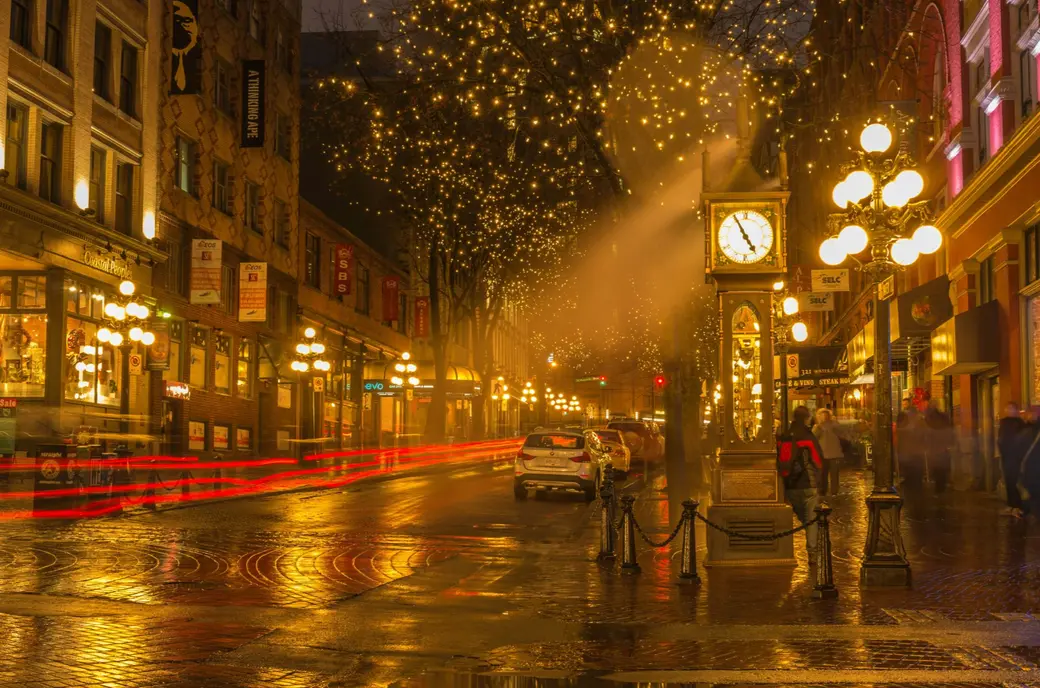
The eastern half of downtown Vancouver contains three of the city's most distinctive neighbourhoods, each with its own history, character, and housing profile. Downtown Vancouver East encompasses Yaletown, Gastown, and Olympic Village, along with the transitional areas of Crosstown and the Chinatown fringe. Together, they represent the most diverse cross-section of urban living available on the downtown peninsula: heritage warehouse conversions beside modern glass towers, cobblestone streets adjacent to LEED Platinum eco-builds, and waterfront seawall access alongside some of the city's oldest commercial architecture.
For buyers who are considering downtown Vancouver alongside or instead of the North Shore, this guide provides a practical overview of what each neighbourhood offers, how the housing and ownership structures work, and where the trade-offs lie. Paul has lived in several of these areas (including Yaletown and Crosstown) before settling on the North Shore, which provides firsthand perspective on what the daily experience of downtown east living actually looks like.
Key Takeaways: Downtown Vancouver East
- Three distinct neighbourhoods, one area. Yaletown offers upscale waterfront condo living with heritage character. Gastown is Vancouver's oldest neighbourhood (founded 1867, National Historic Site since 2009) with heritage lofts and a vibrant restaurant and bar scene. Olympic Village is the newest, built for the 2010 Winter Games and certified LEED Platinum.
- Housing is almost entirely strata condos. This is a high-density urban area. Detached homes do not exist. Townhomes are rare. The vast majority of available inventory is condominium units in mid-rise and high-rise buildings. For buyers unfamiliar with strata ownership in BC, the strata buying guide covers the document review process in detail.
- Transit connectivity is excellent. Canada Line (Yaletown-Roundhouse Station), Expo Line and SeaBus connections at Waterfront Station (Gastown), and Main Street-Science World Station (Olympic Village) provide direct SkyTrain access. Bus, cycling, and walking infrastructure are strong throughout.
- The Seawall connects all three neighbourhoods. Vancouver's continuous waterfront pathway runs along the southern and eastern edges of the downtown peninsula, linking Yaletown's False Creek frontage, Olympic Village's Creekside area, and Gastown's proximity to the harbour.
- Mixed-use buildings are common. Many downtown east buildings include retail, restaurant, or commercial space on the ground floor with residential above. This creates a vibrant street environment but also means strata structures can be more complex than in purely residential buildings.
Three Neighbourhoods at a Glance
| Factor | Yaletown | Gastown | Olympic Village |
|---|---|---|---|
| Character | Upscale, polished, waterfront. Converted heritage warehouses alongside modern towers. | Historic, artistic, independent. Cobblestone streets, heritage brick buildings, creative industries. | Modern, sustainable, community-designed. LEED Platinum eco-neighbourhood built for the 2010 Olympics. |
| Founded / Built | Former CPR rail yards, redeveloped post-Expo 86 | 1867 (Vancouver's oldest neighbourhood). National Historic Site since 2009. | 2010 (originally athlete housing for the Winter Olympics) |
| Housing type | Heritage loft conversions, modern high-rise condos, luxury towers | Heritage building conversions, mid-rise condos, loft-style units | Modern mid-rise and high-rise condos (all built since 2008) |
| SkyTrain station | Yaletown-Roundhouse (Canada Line) | Waterfront (Expo Line, SeaBus, West Coast Express) | Main Street-Science World (Expo Line) |
| Waterfront access | False Creek Seawall, David Lam Park, George Wainborn Park | Burrard Inlet (2 blocks from Canada Place and the harbour) | False Creek Seawall, Creekside Park, Hinge Park |
| Dining scene | Upscale restaurants, patios, boutique retail. The loading dock canopies are heritage features unique to this area. | Independent restaurants, cocktail bars, specialty coffee (Revolver Coffee is among the best in Canada). Heritage pub culture. | Craft breweries (CRAFT Beer Market, others nearby), casual waterfront dining, growing restaurant scene. |
| Recreation | Roundhouse Community Arts and Recreation Centre (200-seat theatre, gymnasium, studios, childcare). David Lam Park (basketball, tennis, playground). | Waterfront Station connections to North Shore and broader Metro. Walking distance to Canada Place and convention centre. | Creekside Community Recreation Centre (LEED Platinum, fitness, gymnasium, yoga studios, childcare, paddling launch, dragon boat centre). Hinge Park (community garden, off-leash dog park). |
| Best for | Professionals, couples, downsizers seeking polished urban waterfront living | Creatives, young professionals, urban dwellers who value heritage character and nightlife | Eco-conscious buyers, families seeking modern community design, paddling enthusiasts |
Yaletown: Upscale Waterfront Living in a Heritage Setting
Yaletown occupies the southern edge of the downtown peninsula along False Creek, bounded approximately by Burrard Street to the west, Pacific and Richards Streets to the north, and Cambie Bridge to the east. Its identity is built on the transformation of the former Canadian Pacific Railway yards and warehouse district into one of Vancouver's most polished residential and commercial neighbourhoods. The heritage warehouse buildings, with their distinctive loading dock canopies (now recognised as architectural heritage features by the City), house restaurants, boutiques, and ground-floor retail, while the blocks behind them are filled with modern residential towers.
What Defines Daily Life in Yaletown
- The Seawall: The continuous waterfront pathway runs along the entire southern edge of Yaletown, connecting to Olympic Village eastward and Stanley Park westward. Walking, running, and cycling the Seawall is a daily routine for most residents.
- David Lam Park: A waterfront park at the western end of the neighbourhood with basketball and tennis courts, a playground, open lawn, and views across False Creek. It hosts outdoor theatre performances in summer.
- George Wainborn Park: A 2.5-hectare waterfront park with expansive lawns, a water feature, and views of False Creek. Quieter than David Lam and popular for evening walks.
- Roundhouse Community Arts and Recreation Centre: Located in the restored CPR Engine 374 roundhouse, the centre includes a 200-seat theatre, dance and pottery studios, a woodworking shop, gymnasium, after-school childcare, and community programming. Engine 374, the first transcontinental train to arrive in Vancouver in 1887, is displayed on site.
- Yaletown-Roundhouse Station: Direct Canada Line SkyTrain access, connecting to downtown, the airport (YVR), and Richmond.
- Schools: Elsie Roy Elementary School serves the Yaletown catchment within the Vancouver School Board (VSB). King George Secondary is the associated secondary school.
Local Insight: Yaletown's character has a specific rhythm. Weekday mornings are quiet and professional. Evenings and weekends bring restaurant traffic, patio culture, and Seawall activity. The neighbourhood functions well for people who work in or near downtown and want to walk or cycle to work, then step out onto the Seawall or into a restaurant at the end of the day. It is less suited to buyers who want quiet residential streets, green space beyond the parks, or separation from commercial activity. Paul lived in Yaletown before moving to the North Shore and understands both the appeal and the limitations firsthand.
Gastown: Vancouver's Oldest Neighbourhood
Gastown is the historic core of Vancouver. It was founded in 1867 when John "Gassy Jack" Deighton established a tavern to serve local sawmill workers, and the settlement that grew around it became the foundation of the city. The Great Fire of 1886 destroyed nearly everything; the Victorian brick buildings that stand today were constructed in the immediate aftermath. In 1971, Gastown was designated a Heritage District, which prevents demolition or significant alteration of the historic streetscape. In 2009, it was officially designated a National Historic Site of Canada.
The neighbourhood's physical character is defined by its cobblestone streets, heritage brick facades, and the Gastown Steam Clock (built in 1977, located at the corner of Water and Cambie Streets). It is located on the northeastern edge of downtown, two blocks from Canada Place and the cruise ship terminal, and immediately adjacent to Waterfront Station.
What Defines Daily Life in Gastown
- Heritage architecture: The heritage district protections mean the streetscape will not change fundamentally. Living in Gastown means living within a preserved Victorian commercial district, which gives the neighbourhood a character that is not replicated anywhere else in Vancouver.
- Dining and nightlife: Gastown has some of Vancouver's most acclaimed independent restaurants and cocktail bars. L'Abattoir, Water Street Cafe, Ask for Luigi, Twisted Fork, and Meat and Bread are well-established. Revolver Coffee on Cambie Street is widely regarded as one of the finest specialty coffee operations in Canada.
- Creative industries: The neighbourhood attracts tech companies, design studios, and creative firms who occupy the upper floors of heritage buildings. This contributes to the area's independent, non-corporate character.
- Waterfront Station: Direct access to the Expo Line SkyTrain, SeaBus to North Vancouver (12-minute crossing to Lonsdale Quay), and the West Coast Express commuter train.
- Walkability: Gastown is extremely walkable. Canada Place, the Vancouver Convention Centre, the financial district, Chinatown, and the Waterfront are all within a 10-minute walk.
Good-to-Know: Gastown's Honest Trade-offs
- Proximity to the Downtown Eastside (DTES): Gastown's eastern boundary adjoins the DTES, one of Vancouver's most challenged neighbourhoods. The transition between the two areas can be abrupt and is a reality that residents live with daily. This proximity affects the experience of living in eastern Gastown more than western Gastown, and it is a factor that every buyer should assess in person, at different times of day, before purchasing.
- Tourism and foot traffic: The Steam Clock and heritage streetscape attract significant tourist traffic, particularly during cruise ship season (April through October). Residents learn to navigate around the peak periods, but the visitor presence is a constant feature.
- Heritage building considerations: Condo units in heritage conversions can have unique layouts, exposed brick, and industrial character that many buyers find appealing. However, older buildings may have higher strata fees, less soundproofing between units, and maintenance considerations that differ from modern construction. Review the depreciation report and strata documents carefully.
- Parking: Street parking in Gastown is extremely limited. Most residential buildings include underground parking, but availability of a second stall is not guaranteed. Many Gastown residents do not own a car.
Olympic Village: Vancouver's Newest Eco-Neighbourhood
Olympic Village is the most recently created neighbourhood in downtown Vancouver. It was built to house athletes during the 2010 Winter Olympics and has since been developed into a permanent residential community of approximately 1,100 units along the southeast shore of False Creek, bounded by Cambie Street to the west, Main Street to the east, and the waterfront to the north. The neighbourhood was the first in North America to achieve LEED Platinum certification, meaning it was designed to generate as much energy as it consumes.
What Defines Daily Life in Olympic Village
- Creekside Community Recreation Centre: A LEED Platinum facility operated by the Vancouver Park Board. It includes a fitness centre, gymnasium, dance and yoga studios, meeting rooms, a childcare centre for all abilities, and a paddling launch with kayak and dragon boat facilities on False Creek. The building consumes 69% less energy than a conventional community centre.
- Waterfront and parks: Hinge Park offers a community garden, off-leash dog park, and waterfront pathways. Creekside Park provides open green space along the Seawall. The Creekside Paddling Centre hosts dragon boat programs and kayak rentals on False Creek.
- Science World: The geodesic dome at the eastern end of False Creek is adjacent to Olympic Village and serves as both a landmark and a family attraction.
- Main Street-Science World Station: Expo Line SkyTrain access, connecting to downtown, Burnaby, New Westminster, and the broader SkyTrain network.
- Craft breweries and dining: Olympic Village and the adjacent Main Street corridor have developed a growing food and beverage scene, including CRAFT Beer Market, Tap and Barrel, and numerous independent restaurants.
- Sustainable design: The neighbourhood's eco-design extends beyond the LEED certification to include green roofs, rainwater harvesting, solar-powered systems, and sustainable construction materials throughout.
Local Insight: Olympic Village appeals to a specific buyer profile: people who value modern, purpose-built community design with sustainability at its core. Because all of the buildings are from the same era (2008 onward), the neighbourhood has a cohesive architectural character that older areas of downtown lack. The trade-off is that it does not have the heritage feel of Gastown or the established commercial polish of Yaletown. It feels newer, which is either an advantage or a limitation depending on your preference. Families with young children are more visible in Olympic Village than in Gastown or Yaletown, in part because the Creekside Community Centre, the parks, and the Seawall create a family-friendly infrastructure that the other two neighbourhoods do not offer at the same scale.
Considering Downtown Vancouver East?
Each of these neighbourhoods offers a different urban lifestyle. If you want to explore what is available and which area fits your priorities, reach out anytime.
Get in TouchHousing Across Downtown Vancouver East
Housing in all three neighbourhoods is almost exclusively strata condominiums. The primary variables are building age, unit size, finishing quality, views, and strata fee levels. For a comprehensive guide to the strata buying process in BC, including what to look for in the depreciation report, bylaws, Form B, and strata financials, see Buying a Condo in Vancouver, BC. For a comparison of how condo ownership compares to townhomes and detached homes, see Condo vs. Townhome vs. Detached.
| Neighbourhood | Building Types | Building Age Range | Buyer Considerations |
|---|---|---|---|
| Yaletown | Heritage warehouse conversions (lofts), modern high-rise towers, luxury penthouses | Heritage conversions (1990s-2000s), towers (2000s-2020s) | Wide price range. Heritage lofts have unique character but may have higher strata fees and older systems. Modern towers offer contemporary finishes and amenities. Waterfront views command a significant premium. |
| Gastown | Heritage building conversions, mid-rise condos, loft-style units | Heritage conversions (various eras), some newer builds | Heritage character is the primary draw. Units may have exposed brick, timber, and industrial features. Layouts can be unconventional. Soundproofing varies. Proximity to DTES affects eastern Gastown properties. Review strata documents carefully for heritage buildings. |
| Olympic Village | Modern mid-rise and high-rise condos (all post-2008) | 2008 to present | The newest housing stock of the three. LEED-certified buildings with modern systems. Consistent architectural quality. Ongoing new development continues to add inventory. False Creek views are available in select buildings. |
Browse current listings to see what is available across all three areas, or view featured properties for highlights. For a sense of what properties have recently traded for, see recent sales. The April 2026 Market Update provides benchmark pricing by property type across Metro Vancouver. Sellers in the area can request a home evaluation.
Transit and Connectivity
One of the strongest advantages of living in Downtown Vancouver East is transit connectivity. All three neighbourhoods have direct SkyTrain access, and the broader transit network provides fast connections to the rest of Metro Vancouver.
| Neighbourhood | SkyTrain Station | Line | Key Connections |
|---|---|---|---|
| Yaletown | Yaletown-Roundhouse | Canada Line | Downtown, YVR Airport (26 min), Richmond, Bridgeport |
| Gastown | Waterfront | Expo Line + SeaBus | Burnaby, New Westminster, Surrey, North Vancouver (12-min SeaBus), West Coast Express |
| Olympic Village | Main Street-Science World | Expo Line | Downtown (2 stops), Burnaby, New Westminster, Surrey |
For buyers comparing downtown east to the North Shore, the transit contrast is significant. From Yaletown, the Canada Line provides a 26-minute direct connection to YVR airport. From Gastown, the SeaBus provides a 12-minute connection to Lower Lonsdale and the North Shore. Downtown east residents have no bridge crossings, no dependence on bus-to-ferry transfers, and direct SkyTrain access to the broader Metro Vancouver network. This is the primary practical advantage of downtown living over the North Shore for daily commuters.
Downtown East vs. the North Shore: How They Compare
Many of Paul's clients are evaluating both markets simultaneously. The comparison is not about which is "better." It is about which set of trade-offs aligns with your priorities.
| Factor | Downtown Vancouver East | North Vancouver (Lonsdale Corridor) | North Vancouver (Lynn Valley / Edgemont / Deep Cove) |
|---|---|---|---|
| Housing type | Almost exclusively condos | Condos and townhomes, some detached | Detached, townhomes, some condos |
| Walkability | Very high across all three neighbourhoods | Very high in Lower Lonsdale, moderate in Central | Moderate to low (car-dependent outside village centres) |
| Transit | Direct SkyTrain from all three areas. No bridge crossing. | SeaBus from LoLo (12 min). Bus-to-SeaBus from Central (20-30 min). | Bus-to-SeaBus (35-60+ min). Car-dependent for most commutes. |
| Outdoor access | Seawall, urban parks, False Creek paddling | Waterfront (LoLo), urban parks (Central) | Forest trails, mountain access, canyon and coastal recreation |
| Dining and culture | The deepest restaurant, bar, and cultural scene in Metro Vancouver | Growing but smaller (Shipyards, LoLo restaurants) | Village-scale (Lynn Valley Village, Edgemont, Deep Cove) |
| Space and privacy | Smallest units, highest density, no yards | Moderate (condos offer more sq ft per dollar than downtown) | Largest properties, most privacy, yards and outdoor space |
| Family infrastructure | Schools and community centres exist but fewer green-space options for children | Strong (community centres, parks, new Harry Jerome July 2026) | Strongest (SD44 schools, trails, village events, recreation) |
For a complete overview of North Vancouver neighbourhoods, see the North Vancouver featured area page or read Living in North Vancouver: Where Mountains Meet Ocean. For the western half of downtown, see the Downtown Vancouver West featured area page.
Who Downtown Vancouver East Is Best For
- Professionals who work downtown and want to walk, cycle, or take a short transit ride to the office. Eliminating the bridge commute is the primary practical advantage over the North Shore.
- Urban lifestyle buyers who value restaurant density, nightlife, cultural programming, and the energy of a downtown environment over nature access and residential quiet.
- Downsizers from larger properties (including North Shore detached homes) who want to simplify their living situation while gaining walkability, transit access, and urban convenience.
- Investors and first-time buyers seeking entry-level condo options in high-demand urban locations with strong rental potential. See the First-Time Buyer's Guide for the financial mechanics.
- Eco-conscious buyers drawn to Olympic Village's LEED Platinum certification and sustainable community design.
Who It May Not Be Ideal For
- Families who need significant outdoor space, yards, and quiet residential streets. Downtown east is high-density urban living. The parks are good but not substitutes for the forest trails and mountain access of the North Shore.
- Buyers who want a detached home or townhome. These property types essentially do not exist in downtown east. If a yard, garage, and freehold ownership are priorities, the North Shore or suburban municipalities will serve you better.
- Buyers who are sensitive to urban noise, density, and street-level activity. All three neighbourhoods have significant foot traffic, restaurant/bar activity, and the general hum of downtown city life. This is part of the appeal for many residents but a genuine drawback for others.
- Buyers with a strong preference for nature-immersive outdoor access. The Seawall is excellent, but it is a paved urban waterfront path. It is not Lynn Canyon, Quarry Rock, or the Grouse Grind.
Frequently Asked Questions
What is the difference between Yaletown, Gastown, and Olympic Village?
Yaletown is an upscale waterfront neighbourhood with heritage warehouse conversions and modern towers, centred on False Creek. Gastown is Vancouver's oldest neighbourhood (founded 1867), a National Historic Site with cobblestone streets, heritage buildings, and independent restaurants. Olympic Village is the newest, built for the 2010 Winter Olympics with LEED Platinum certification and modern eco-design. Each has a distinct character, building profile, and lifestyle. See the comparison table above for details.
What types of housing are available in downtown east?
Almost exclusively strata condominiums. Options range from heritage loft conversions in Gastown to modern high-rise towers in Yaletown to LEED-certified eco-builds in Olympic Village. Townhomes are rare and detached homes do not exist. Browse current listings filtered by area and property type to see what is available.
How does downtown east compare to the North Shore for condo living?
Downtown east offers stronger transit connections, deeper restaurant and cultural programming, and eliminates the bridge commute. North Shore condos (particularly in Lower Lonsdale) often offer better mountain or water views, more direct access to nature and trails, and a neighbourhood character that is less dense. Price per square foot can be competitive between the two markets depending on the specific building and location. The choice comes down to whether you value urban convenience or natural environment more in your daily routine.
Is Gastown safe to live in?
Gastown itself is a well-established residential and commercial neighbourhood with heritage protections, active businesses, and a strong community. However, its eastern boundary adjoins the Downtown Eastside (DTES), and the transition between the two areas is a reality that residents encounter. The experience differs by specific block and time of day. Western and central Gastown (closer to Water Street and Cambie) feel different from eastern Gastown (closer to Main and Hastings). The most useful approach is to visit the specific area you are considering at different times of day and form your own assessment.
Is Olympic Village good for families?
Olympic Village has the strongest family infrastructure of the three neighbourhoods, including the Creekside Community Recreation Centre (childcare, gymnasium, swimming area, paddling programs), Hinge Park (playground, community garden), and direct Seawall access. Elsie Roy Elementary (Yaletown catchment) and other VSB schools serve the broader area. Families are more visible in Olympic Village than in Gastown or Yaletown. For a broader comparison of family-friendly options across the North Shore, see The Best North Vancouver Neighbourhoods for Families in 2026.
How do I get to North Vancouver from downtown east?
From Gastown, the SeaBus at Waterfront Station provides a 12-minute crossing to Lonsdale Quay. From Yaletown or Olympic Village, take the SkyTrain to Waterfront Station (2 to 3 stops) and transfer to the SeaBus. Total transit time from Yaletown or Olympic Village to the North Shore is approximately 25 to 35 minutes. Driving via the Lions Gate Bridge takes 15 to 35 minutes depending on traffic. For a complete guide to the commute, see Commuting from the North Shore.
Explore Downtown Vancouver East
Downtown Vancouver East offers three distinct urban neighbourhoods, each with its own character, history, and appeal. Whether you are drawn to Yaletown's polished waterfront, Gastown's heritage streets, or Olympic Village's modern eco-design, the area provides a level of walkability, transit access, and cultural energy that is difficult to match elsewhere in Metro Vancouver. If you are exploring Downtown Vancouver East and want to discuss which neighbourhood, building, and price range align with your priorities, I am happy to help. You can also read what past clients have to say on the reviews page, check the market snapshot, or browse current listings.
Find Your Place in Downtown Vancouver East
From heritage lofts to waterfront eco-builds, I can help you navigate the downtown market with clarity.
Message Paul FraserContent Note: Gastown history and heritage designation from Destination Vancouver and the Gastown Heritage District records (National Historic Site since 2009). Olympic Village details from the City of Vancouver (approximately 1,100 units, LEED Platinum). Creekside Community Centre details from the Vancouver Park Board. Roundhouse Community Centre details from the City of Vancouver. Transit information from TransLink. No specific pricing data is quoted. For current listings and pricing, see active listings and recent sales. For market context, see the April 2026 Market Update. Sellers can request a home evaluation or visit the seller services page. Data last verified: May 2026.
Photo Credit: Kosuke Noma via Unsplash
Newest Listings in Downtown Vancouver East
Categories
Recent Posts
GET MORE INFORMATION